Finding a reliable 6 inch gate valve involves balancing material durability, pressure tolerance, and ease of installation. This guide reviews five top 6″ gate-like control valves and related flow-control devices, helping you choose the best fit for low-pressure piping, dust collection, or drainage systems. Each option emphasizes full-port flow, robust construction, and straightforward connection to standard 6″ PVC or ducting. Reading through these picks will clarify which valve type best matches your application—whether shut-off precision, dust collection efficiency, or backflow prevention.
| Product | Key Benefit | Suitable For |
|---|---|---|
| Valterra 6″ PVC Gate Valve | Unrestricted flow; 304 stainless steel shaft | Low-pressure water, air, gray water |
| Gloxco 6″ Brass Lever Gate Valve | Durable brass lever; full gate accessibility | Industrial or workshop lines requiring sturdy lever control |
| Taytools 6″ Blast Gate | Self-cleaning, clog-free operation | Dust collection or woodworking ducts |
| POWERTEC 6″ Blast Gate | Deep flange and easy-to-use shut design | Dust collection systems with multiple runs |
| Cinsda 6″ PVC Backwater Valve | Prevents backflow; solvent-weld compatible | Drainage systems at risk of sewer backflow |
Valterra 6″ PVC Gate Valve – Slip Hub Fittings

The Valterra 6″ PVC Gate Valve is designed for low-pressure shut-off scenarios with full-port flow, ensuring minimal resistance when open. Its stainless steel shaft and paddle deliver reliable operation, while the 6″ PVC slip/hub fittings match standard PVC pipe. This valve handles air, clean water, gray water, and select waste applications. A key feature is unrestricted flow when fully opened, making it suitable for quick isolation in compact installations. Typical use cases include plumbing projects, dry basement siphon prevention, and non-potable applications where fast shut-off matters.
Technical notes include a maximum pressure rating of 6 psi open and 10 psi closed, which aligns with low-pressure systems rather than heavy industrial lines. Installation is straightforward if you’re connecting to 6″ PVC with slip fittings. The combination of 304 stainless steel components helps resist corrosion in damp environments, while the full-port design minimizes turbulence and pressure drop across the valve. For projects prioritizing quick shut-off and clean fluid compatibility, this option is worth serious consideration.
Gloxco 6″ Brass Lever Gate Valve and Fitting Combo Kit

The Gloxco 6″ Brass Lever Gate Valve comes as a comprehensive kit that pairs a 6″ brass gate valve with a Type F Camlock fitting. The lever provides immediate tactile control, and brass construction offers durability in varied climates and media. This setup is well-suited for industrial or workshop lines where a robust, easy-to-operate valve ensures quick isolation or maintenance access. The Type F Camlock connection simplifies rapid assembly and disassembly in temporary or modular piping layouts, reducing downtime during service or reconfiguration.
Key features emphasize a reliable gate mechanism and corrosion-resistant materials for longer service life in challenging environments. Depending on your application, the kit’s versatility can justify the upfront value, particularly where a ready-to-install combination reduces additional fittings and potential mismatches. As with any 6″ valve, verify compatibility with your pipe schedule and flow media, especially if you anticipate occasional backpressure or media that could degrade softer seals over time.
Taytools 6″ OD Self-Cleaning No Clog Aluminum Blast Gate

The Taytools 6″ blast gate is designed to fit 6″ ducts or hoses and focuses on directing airflow precisely where needed. A notable feature is the self-cleaning ability with an open slot at the back to minimize clogs, a common issue in dust collection systems. The aluminum body provides a balance of light weight and durability, making it a solid choice for workshop installations where multiple duct runs intersect and frequent gate adjustments are required.
Applications include woodworking dust collection circuits, HVAC sectional ducts, and temporary or permanent ductwork arrangements. The self-cleaning function reduces maintenance time and extends the life of the gate against material build-up. When selecting a blast gate, consider your ducting type (PVC vs metal), the system’s static pressure, and the noise tolerance of your workspace, as some gates can introduce slight airflow turbulence when closed.
POWERTEC 70279 Dust Collection Blast Gate, 6 Inches
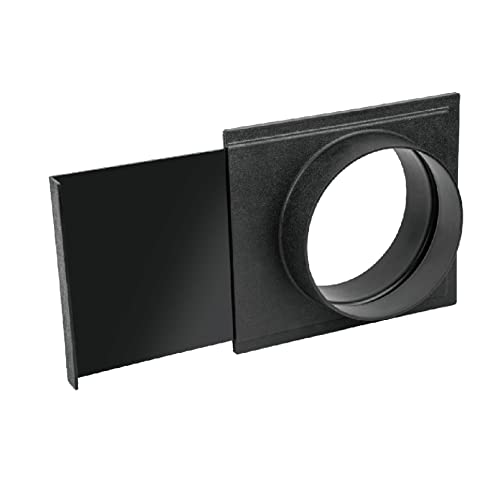
The POWERTEC 6-inch blast gate is made from ABS plastic and is designed to regulate dust collection airflow. Its open-and-shut operation features a deep 1-1/2 inch tapered flange on both sides to facilitate secure attachment to 6″ ID dust hoses. This product excels in workshop environments where precise control over dust extraction zones directly impacts collection efficiency and tool performance. The ABS construction offers economical durability for moderate heat and friction exposure typical of dust collection operations.
When evaluating blast gates for a dust collection system, key considerations include system pressure, hose compatibility, ease of installation, and maintenance needs. The POWERTEC gate’s simple design emphasizes quick changes between active runs, which can improve overall system efficiency. For larger setups, you may pair multiple gates to segment the duct network, optimizing airflow to specific tools without excessive energy use.
Cinsda 6″ PVC Backwater Valve

The Cinsda 6″ PVC backwater valve is designed to prevent sewage backflow in drainage systems. It connects to 6″ PVC drains and can be solvent-welded for a watertight junction. The valve’s durable PVC body and intended backflow prevention capabilities offer a reliable solution for basements or low-lying areas prone to sewer rejection during pressure fluctuations. While not a traditional gate valve, it serves as a critical flow-control device in preventing contamination and water damage in residential or light commercial drainage networks.
Backwater valves are typically selected where municipal sewer pressure can reverse flow during heavy rain or sewer surcharge events. Consider installation height, required maintenance access, and local codes when integrating a backwater valve into your drainage plan. PVC construction supports corrosion resistance and longevity in typical wastewater environments, while solvent welding ensures dependable connections without glues or tapes that may fail over time.
Buying Guide: Key Purchase Considerations and Comparisons
When choosing a 6″ valve or gate-like control for your project, consider the following factors to ensure you select the right device for your system:
- Media compatibility: Identify whether the valve will handle water, air, dust, or backflow media. Gate valves excel where clean or mildly contaminated fluids are involved; backwater and blast gates suit drainage and dust collection tasks.
- Pressure and temperature: Check maximum operating pressure and temperature ranges. Gate valves designed for low pressure may not perform well in high-pressure lines; blast gates often prioritize flow control and quick actuation rather than containment under pressure.
- Materials and durability: Stainless steel, brass, and PVC each offer distinct corrosion resistance and strength. Brass and stainless-steel components provide durability in harsher environments; PVC offers chemical resistance and lower costs for plumbing and drainage.
- Connection type: Slip, hub, Camlock, or solvent-weld connections impact installation time and compatibility with existing piping. Choose fittings that minimize the need for adapters and potential leakage points.
- Ease of operation: Lever handles and quick-action designs enable faster isolation or routing, which can save time during maintenance or workflow changes in a workshop.
- Maintenance: Consider whether the device requires routine cleaning (dust gates can clog) or periodic seals replacement (gates with O-rings or gaskets).
- System integration: For dust collection or HVAC, plan the gate layout to optimize airflow with minimal turbulence. In drainage, ensure the backwater valve’s orientation aligns with expected flow direction.
- Code and compliance: Some drainage and backflow installations may require code-compliant valves and specific materials. Verify local regulations before final installation.
In practice, the best 6″ gate valve choice depends on your primary use. For quick shut-offs in low-pressure lines, a valve like Valterra’s PVC gate valve provides reliable operation with stainless steel internals. For robust lever control in more demanding environments, the Gloxco brass gate valve offers durability and a secure seal. If your goal is dust collection or ducting control, blast gates from Taytools or POWERTEC deliver straightforward actuation and reduced maintenance hassles. For backflow prevention in drainage, the Cinsda PVC backwater valve adds essential protection against sewer backup.