Choosing the right 1-inch polyethylene pipe involves balancing pressure ratings, temperature tolerance, installation ease, and compatibility with fittings. The following selected products represent common 1-inch polyethylene and PEX-b solutions used in potable and non-potable applications, including flexible coil options for faster runs and fewer joints. This guide highlights practical features to help homeowners and professionals compare options.
| Product | Brand | Type | Length | Pressure Rating | Notes |
|---|---|---|---|---|---|
| Cresline Polyethylene Pipe 1″ X 100′ 80 Psi Not For Potable Water | Cresline Plastic | Polyethylene Pipe | 100 ft | 80 psi | Not for potable water |
| Cresline 100 ft. L Polyethylene Pipe 125 psi | Cresline Plastic | Polyethylene Pipe | 100 ft | 125 psi | Suitable for various non-potable uses |
| SharkBite 1 Inch x 300 Feet White PEX-B | SharkBite | PEX-B Tubing | 300 ft | Not listed | Flexible, potable water Ready |
| SharkBite 1 Inch x 100 Feet Blue PEX-B | SharkBite | PEX-B Tubing | 100 ft | Not listed | Flexible, push-to-connect fittings |
| VEVOR Pex Tubing, 1″ Pex Pipe 300ft | VEVOR | PEX-b Tubing | 300 ft | 80 psi @ 200°F; 100 psi @ 180°F | Blue non-barrier PEX-b |
Cresline Polyethylene Pipe 1″ X 100′ 80 Psi Not For Potable Water

The Cresline 1″ polyethylene pipe is offered with an 80 psi rating and is explicitly marked as not for potable water. This makes it suitable for non-drinking water applications such as irrigation, industrial processes, or certain non-potable plumbing tasks. Made in the United States, the pipe emphasizes domestic manufacturing standards and compatibility with standard poly fittings. When selecting this option, ensure the intended use aligns with the non-potable specification and verify that the pipe’s temperature and pressure limits meet project requirements. This product is typically used where water quality is not a concern for consumption or contact with drinking water systems.
Cresline 100 ft. L Polyethylene Pipe 125 psi
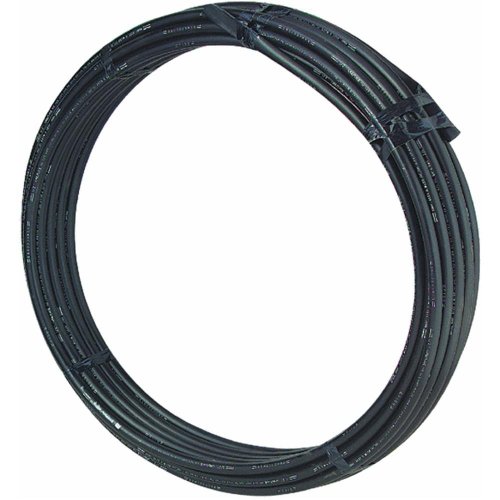
This Cresline polyethylene pipe delivers a higher 125 psi rating over a 100-foot length, offering potential for higher-pressure non-potable systems or areas where brief pressure surges may occur. The product line typically suits irrigation, industrial, or non-potable water distribution where strict potable-water compliance is not required. When integrating this pipe, verify compatibility with existing fittings and ensure the pipe remains within its temperature and pressure tolerances for reliable operation in outdoor or utility environments.
SharkBite 1 Inch x 300 Feet White PEX-B

The SharkBite white PEX-B coil is designed for hot and cold potable water systems, offering flexibility to reduce fittings and simplify routing. Its push-to-connect fittings and compatibility with PEX expansion (F1960), ASSE 1061, and ASTM standards facilitate faster installations and potential leak prevention. The coil’s length supports longer runs with fewer joints, and the material is engineered to handle typical residential water temperatures. It is well-suited for indoor plumbing and can be buried under certain conditions when used with appropriate protection and fittings.
SharkBite 1 Inch x 100 Feet Blue PEX-B

This SharkBite blue PEX-B is designed for hot and cold potable water distribution and supports long runs with fewer fittings. The color may help distinguish supply lines and zones in a plumbing system. It features freeze-tolerance properties, allowing slight expansion when frozen and contraction upon thawing, which can reduce the risk of cracks in freezing conditions. Compatibility with multiple fitting types (expansion, push-to-connect, and barb fittings) makes it a versatile choice for residential installations and certain commercial projects where flexible routing is advantageous.
VEVOR Pex Tubing, 1″ Pex Pipe 300ft
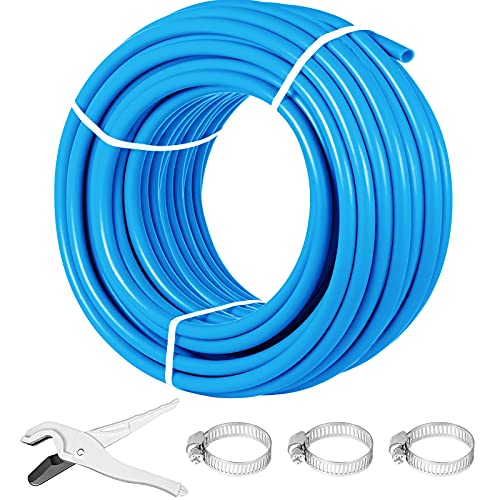
VEVOR provides a blue 1-inch PEX-b tubing coil rated at up to 80 psi at high temperatures and 100 psi at lower temperatures, with a range of -40°C to 95°C (-40°F to 203°F). Its flexiblity and bending radius facilitate installation around obstacles, and its non-barrier design is suited for domestic hot and cold water distribution and radiant floor systems. The material’s strength supports long runs with fewer joints, minimizing leak points in complex layouts. Use with compatible fittings and consider local codes for non-barrier PEX use in heating or outdoor applications.
Buying Guide: Key Considerations For 1-Inch Polyethylene And PEX-B Tubing
- Application and potable water compliance: Distinguish between potable and non-potable use. Some Cresline products are not approved for drinking water, which affects selection for home plumbing.
- Pressure and temperature ratings: Match pipe ratings to expected water temperatures and pressures. PEX-b options typically handle hot and cold water, while polyethylene variants may have specific psi limits.
- Flexibility and installation ease: Coiled PEX-b tubing reduces fittings and installation time. Consider bend radius and whether a push-to-connect or expansion fitting system suits the project.
- Fittings compatibility: Ensure chosen tubing is compatible with the fittings you plan to use (F1960 expansion, ASSE 1061 push-to-connect, ASTM fittings, or barb connections).
- UV exposure and outdoor use: Some PEX and polyethylene products are UV resistant or suitable for outdoor runs; others require protection from direct sunlight.
- Direct burial and underground use: If burial is planned, verify the pipe’s suitability for direct burial and associated protective measures (conduits, bedding, and backfill).
- Material type and system design: Decide between polyethylene and PEX-b based on flexibility needs, thermal performance, and system layout (open loop radiant heating vs. domestic supply).
- Code and standards: Check local codes and standards (NSF/ASTM) to ensure compliance for potable water or non-potable installations.
- Cost and durability: While price is a factor, consider long-term reliability, leak resistance, and installation costs when comparing options.