Choosing the right tank heater helps livestock stay hydrated during freezing temperatures, reduces waste, and protects water sources from icing. This article reviews five dependable options designed for farm tanks, stock tanks, and troughs. Each product focuses on safety, energy efficiency, and durability, making them suitable for American livestock operations from small farms to larger homesteads. Below you’ll find quick overviews, a buyer’s guide, and practical considerations to help you select the best heater for your needs.
Product Snapshot
| Product | Brand | Key Benefit |
|---|---|---|
| Farm Innovators 1500W Cast Aluminum Submergible Water Tank Heater Deicer | Farm Innovators, Inc. | Self-regulating thermostat with rust-resistant cast aluminum |
| Farm Innovators Submergible Tank De-Icer, 1500W | FARM INNOVATORS | Ice Chaser design; efficient heating |
| K&H Pet Products Stock Tank & Pond Heater, 750W | K&H Pet Products | Floating or submersible; full cage; cord clip |
| JXJHOVV 500W Submersible Cast Aluminum De-Icer | JXJHOVV | Thermostatic, energy-efficient |
| Qanskm 250W Submergible De-Icer | Qanskm | Low-wattage option for small setups; anti-rust |
Farm Innovators 1500W Cast Aluminum Submergible Heater

This 1500-watt submersible heater uses a self-regulating thermostat to activate only as water approaches freezing, helping manage operating costs. Its cast aluminum body resists rust and corrosion, making it suitable for outdoor ponds and livestock water sources that experience harsh weather. The design emphasizes reliability and longevity for farm and home use, with efficient heat transfer to keep water ice-free for livestock hydration.
Farm Innovators Submergible Tank De-Icer, 1500W

Designed to submerge below the water surface, this 1500-watt de-icer features Ice Chaser cast aluminum construction for efficient heating and safe operation. The thermostatic control activates only as needed, reducing energy use while preventing ice formation in stock tanks. Its durable design suits livestock water troughs and outdoor water sources, providing a dependable solution for winter hydration.
K&H Pet Products Ultimate Tank Deicer
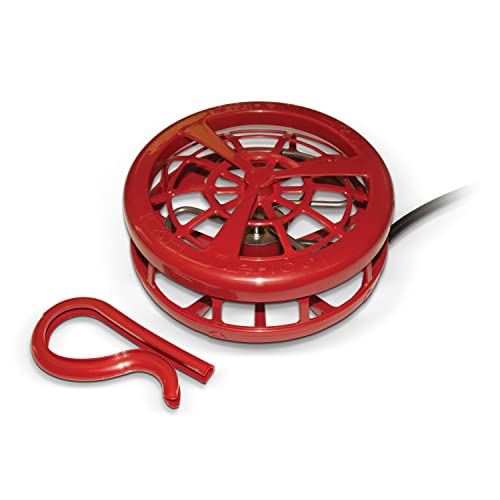
This 750W deicer offers dual operation as a floating or submersible unit and includes a full cage plus a cord clip for added safety and versatility. It is designed for use in stock tanks and water troughs, and a two-year K&H warranty adds a layer of assurance. The thermostatic control keeps water from freezing while avoiding unnecessary electricity use, making it a practical option for varied livestock setups.
JXJHOVV 500W Submersible Cast Aluminum De-Icer

With a 500-watt capacity, this thermostatic de-icer is designed for efficient operation in livestock tanks and winter bird baths. The cast aluminum body is built for durability and heat transfer, making it suitable for smaller tanks or waterers where energy efficiency is a priority. The unit is intended to prevent icing while minimizing electrical consumption.
Qanskm 250W Submergible De-Icer
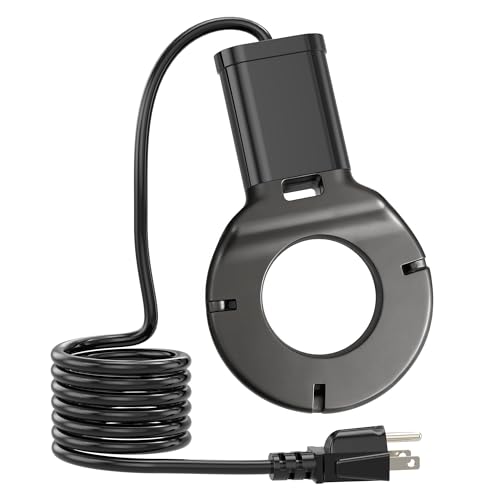
Designed for smaller setups, this 250W de-icer provides continuous access to unfrozen water for livestock and wildlife. It features auto-temperature control, turning on below 35°F and off near 77°F, delivering energy savings. The non-conductive aluminum body helps protect containers from damage while resisting rust and corrosion, making it suitable for a variety of water storage options.
Buying Guide: Key Purchase Considerations
- Tank size and wattage: Larger tanks typically require higher wattage. A 1500W unit is common for big troughs, while 250–500W units suit smaller buckets or bird baths.
- Thermostatic control: Look for self-regulating or thermostatically controlled heaters that only activate when necessary to save energy and reduce wear.
- Material and durability: Cast aluminum and stainless components resist rust and corrosion in outdoor settings, extending service life in harsh weather.
- Mounting and safety: Decide between submersible vs. floating de-icers. Ensure the unit includes a protective cage or cord clip for livestock safety or choose a model with a robust enclosure.
- Electrical considerations: Check the power source availability on the farm or homestead. Some units use 120V; ensure proper wiring, GFCI protection, and outdoor-rated cords.
- Compatibility with containers: Confirm that the heater is designed for your tank material (rubbermaid, metal, plastic) and tank dimensions to avoid overheating or inadequate coverage.
- Energy efficiency: Thermostatic and self-regulating designs reduce unnecessary energy use, helping to lower operating costs during long winter seasons.
- Warranty and support: A longer warranty often correlates with confidence in the product’s durability and post-purchase support.
- Maintenance: Consider ease of cleaning and accessibility of the heater’s components, especially in outdoor, manure-prone environments.
In choosing a tank heater, balance immediate costs with long-term reliability and energy efficiency. For larger herds or frequent freezing conditions, a 1500W model with a robust thermostat and durable housing is a common choice. For small operations or limited wiring, a 250–500W option may provide adequate protection without exceeding electrical capacity.