Choosing the right steel tubing for hydraulic lines involves assessing corrosion resistance, bendability, pressure rating, and compatibility with your system. The following selections emphasize steel-based solutions with robust coatings and fittings to help ensure durable, leak-free installations in cars, trucks, trailers, and industrial equipment. Each product is evaluated for ease of bending, corrosion protection, and compatibility with hydraulic, fuel, and transmission lines.
Summary of chosen products:
| Product | Brand | Material | Length / Size |
|---|---|---|---|
| MuHize 25Ft 3/16 Brake Line Kit | MuHize | Zinc-coated steel | 25 ft, 3/16″ |
| The Stop Shop 16 Ft 3/8 Stainless Fuel Line | The Stop Shop | Stainless steel 304 | 16 ft, 3/8″ |
| TUBPRO 3/8″ OD 25Ft Aluminium Transmission Line | TUBPRO | Aluminium (not steel) | 25 ft, 3/8″ OD |
| MuRealy 1/4″ Brake Line Kit | MuRealy | Steel with zinc coating | 25 ft, 1/4″ |
| 4LIFETIMELINES 3/16″ Stainless Brake Line Coil | 4LIFETIMELINES | 316L stainless steel | 25 ft, 3/16″ |
MuHize 25Ft 3/16 Brake Line Kit
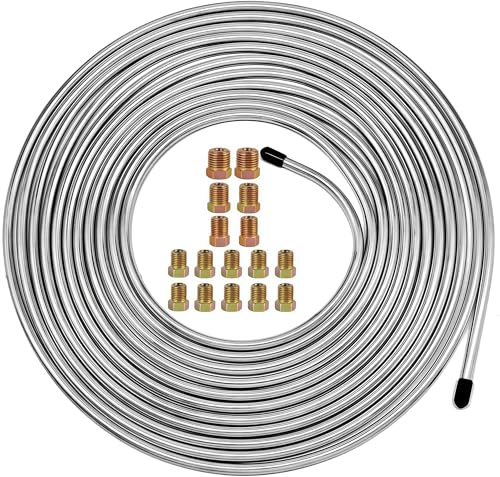
The MuHize brake line kit provides a zinc-coated, double-walled steel tubing approach intended for hydraulic braking, fuel, and transmission lines. It includes a broad assortment of fittings to support 3/16″ lines and emphasizes rust resistance thanks to its specialized coating. The kit is designed for easy bending by hand and includes tools to flare the lines, making it suitable for both DIY repairs and professional applications where corrosion resistance matters in automotive environments.
The Stop Shop 16 Ft 3/8″ Stainless Steel Fuel Line Tubing

This product uses Grade 304 stainless steel to deliver a corrosion-resistant fuel line coil at 3/8″ outer diameter. Made in the USA, it provides a robust option for fuel systems and other hydraulic line needs requiring stainless steel for long-term reliability in demanding environments. While the listing emphasizes fuel compatibility, the stainless material also suits hydraulic and other high-pressure lines where durability is essential.
TUBPRO 3/8″ OD 25Ft Aluminium Transmission Line
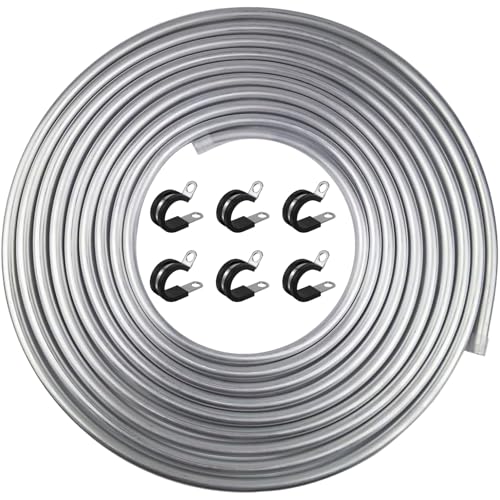
Although this option uses aluminium rather than steel, it is included for its relevance to high-pressure transmission line applications where weight reduction and ease of bending are prioritized. It offers a maximum working pressure around 800 PSI, presenting a practical alternative when corrosion resistance is required without the heavier mass of steel. It is suitable for fuel lines, hydraulic lines, and other system conduits where aluminium’s properties are favorable.
MuRealy 1/4″ Brake Line Kit

The MuRealy 25Ft 1/4 brake line kit provides a 16-fitting package compatible with hydraulic braking, fuel, and transmission systems. The zinc coating enhances durability, and the kit emphasizes ease of bending and flaring for leak-free connections. The combination of 1/4″ tubing with robust hardware makes it suitable for standard automotive lines and various industrial applications where a durable steel line is required.
MuHize 1/4 Brake Line Tubing Kit

This MuHize kit delivers 25 ft of 1/4″ zinc-coated steel brake line with no fittings included in the package. It highlights ease of bending and flaring, making it a practical option for hydraulic braking systems, fuel lines, and transmission lines across a range of vehicles. The zinc coating adds corrosion resistance, making it suitable for outdoor or high-moisture environments where steel lines are exposed to the elements.
Buying Guide: Key Considerations For Steel Tube Selection
- Material and corrosion resistance: Steel tubing can be plain, zinc-coated, or stainless. For outdoor or high-moisture environments, stainless (304/316) or zinc-coated lines provide superior rust resistance compared to plain steel.
- Inside diameter and wall thickness: Ensure compatibility with fittings and required flow; thicker walls support higher pressure but are less flexible.
- Pressure rating and compatibility: Check the max working pressure ratings and ensure the tube material supports your hydraulic or fuel system’s requirements. Aluminum options offer lighter weight but different pressure capabilities.
- Ease of bending and flaring: Some brands emphasize hand-bendability and simple flaring, reducing installation time and risk of leaks.
- Fittings and assemblies: Consider whether the kit includes nuts and fittings suitable for your system, or if you need to purchase separately.
- Compatibility with fluids: Confirm compatibility with hydraulic brake fluid, fuel, or transmission fluids to prevent degradation.
- Installation environment: For vehicles exposed to road salt or coastal moisture, prioritize corrosion resistance and coatings to extend service life.
- Cost vs. durability: Stainless and coated steel tend to be pricier but offer long-term durability; aluminum products may be cheaper and lighter but less robust in some high-temperature or high-load scenarios.
- Made in USA vs. international brands: Depending on reliability expectations and warranty policies, consider the origin and quality controls of the supplier.
In summary, the best steel tubing options emphasize corrosion resistance, compatibility with brake, fuel, and transmission systems, and practical handling for both professional mechanics and DIY enthusiasts. The selected products cover a spectrum from zinc-coated steel to stainless steel offerings, plus a contrasting aluminum option to illustrate trade-offs in weight and strength. When choosing, align the tubing’s material with your environmental conditions and system specifications to ensure reliability and safety.