When maintaining or upgrading compact undercarriage systems, steel components and robust rollers play a crucial role in durability and performance. This article highlights five carefully chosen products that relate to steel track maintenance, replacement rollers, and solid undercarriage hardware for mini excavators. Each option reflects common compatibility needs and construction quality to help operators compare alternatives and plan replacements with confidence.
| Product | Category | Highlights |
|---|---|---|
| Heavy Equipment Mini Excavator Bottom Track Roller, 12.6cm Length | Bottom Roller | Fits IHI 18vx; heavy-duty steel core; extended wear resistance |
| EGINCOOLER Bottom Roller Replacement for Kubota | Bottom Roller | High-strength hardened steel; durable seal groups; Kubota KX040-4 compatibility |
| C CLINK Mini Excavator Pins | Attachment Pins | High-strength steel; secure locking; broad compatibility with small excavator attachments |
| Rio Rubber Track 180x72x32 | Rubber Track | Standard size for SK300/SK350 class mini excavators |
| Rio Rubber Track 180x72x37 | Rubber Track | Wide compatibility for Kubota K008 small excavators |
style=”margin-top: 28px;”>Heavy Equipment Mini Excavator Bottom Track Roller

Designed as a bottom track roller replacement, this part emphasizes a compact overall length of 12.6 cm (5 inches) with a center diameter of 12 cm (4.7 inches). The center hole diameter is 1 cm (0.4 inches), enabling straightforward installation on compatible IHI 18vx mini excavator models. A heavy-duty black roller with a durable metal core and robust outer surface provides extended wear resistance, helping minimize downtime caused by frequent undercarriage maintenance.
style=”margin-top: 28px;”>Mini Excavator Quick Hitch for 1-3 Ton

This quick hitch coupler enables rapid attachment changes without manual pin adjustments. Loosen a screw, hang an attachment (such as an auger, ripper, or bucket), and tighten. It is built from ultra-durable alloy steel with corrosion resistance, designed to fit most 1-3 ton Chinese mini excavators. The 93 mm span and 25 mm hole diameter tolerance ensure a secure connection, enabling faster workflow on jobsites where changing tools is routine.
style=”margin-top: 28px;”>C CLINK Mini Excavator Pins 0.98in/25mm

These pins are designed for a broad range of small excavator connection accessories, including buckets, rakes, clamps, soil loosers, and grab buckets. The 25 mm (0.98 inch) pin hole diameter and 120 mm (4.7 inch) span provide stable and secure connections, with a locking design that enhances strength under heavy loads and challenging terrain. They help maintain reliable joint integrity across multiple attachment configurations.
style=”margin-top: 28px;”>Rio Rubber Track 180x72x32

These rubber tracks are sized 180x72x32, designed for SK300/SK350 class mini excavators. While not steel, they are a common upgrade path for improving track surface grip and operator stability on compact machines. The tracks are offered through Rio Rubber Track Inc. and provide a balance between durability and ride quality on varied terrains, with availability in multiple warehouse locations for quicker sourcing.
style=”margin-top: 28px;”>Rio Rubber Track 180x72x37
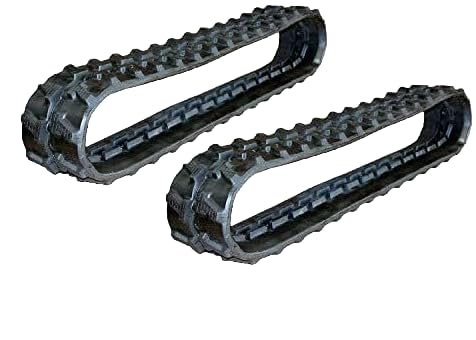
This 180x72x37 rubber track variant is compatible with Kubota K008 mini excavators. It offers a slightly larger profile to distribute weight more evenly and improve traction on softer soils. Operators may choose this size when upgrading from smaller, standard tracks to enhance flotation and reduce ground pressure on sensitive job sites.
style=”margin-top: 28px;”>Buying Guide: Steel Tracks And Related Undercarriage Components For Mini Excavators
Key considerations when selecting track-related components for mini excavators include compatibility, material quality, and expected operating conditions. Below are several perspectives to help buyers compare options and make informed decisions.
- Compatibility and fit: Verify model compatibility with your machine’s make and model. Some components list specific excavator families (e.g., Kubota KX040-4) or generic 1-3 ton ranges for quick hitches. For rollers and pins, confirm diameter, hole size, and span to ensure proper mounting.
- Material and construction: Steel undercarriage parts typically emphasize a hardened core, high-strength steel, or durable seals to resist wear. While rubber tracks are not steel, they are commonly paired with steel rollers and idlers; for pure steel track systems, prioritize components labeled as heavy-duty steel or alloy steel.
- Durability vs. serviceability: Heavy-duty rollers and replacements aim to extend service intervals. Look for sealed bearings, lubricated surfaces, and corrosion-resistant finishes to minimize maintenance frequency in harsh environments.
- Attachment compatibility: Quick hitch systems can dramatically reduce tool change times. Ensure the hitch is rated for your machine’s weight class and compatible with the accessories you frequently use (augers, rippers, buckets, etc.).
- Track type selection: Rubber tracks offer better flotation and reduced ground damage on soft surfaces but may wear differently than steel or steel-backed tracks. When working on harder surfaces or demanding digging tasks, steel components or steel-backed options may deliver longer life in some conditions.
- Availability and support: Consider sourcing from vendors with clear warranty terms, good replacement part availability, and accessible customer support for compatibility questions or returns.
- Installation effort: Some components, like bottom rollers and pins, may require basic shop tooling. Quick hitches and track replacements can demand more hands-on technique or professional installation to ensure safety and performance.
In practice, a balanced setup often combines robust bottom rollers or idlers with compatible pins and reliable attachment hardware. For operators who frequently swap attachments, a high-quality quick hitch can reduce downtime and improve efficiency. When selecting rubber tracks alongside steel undercarriage parts, evaluate load distribution and terrain to determine whether the rubber tracks will meet the jobsite’s demands or if a transition to steel-backed alternatives is warranted.