When selecting rubber gasket sheets for DIY projects, durability, temperature resistance, and chemical耐istance matter most. This guide highlights five highly versatile silicone and neoprene sheets that excel in sealing, cushioning, and insulation across automotive, industrial, and home-use applications. Each product offers strong tear resistance, flexibility, and safeguarding properties to help your gaskets and seals perform reliably in demanding conditions.
| Product | Brand | Type | Thickness | Size | Uses |
|---|---|---|---|---|---|
| ZERITO Silicone Rubber Sheet, 60A | ZERITO | Silicone | 1/16″ (0.062″) | 12″ x 12″ | DIY gaskets, pads, seals, cushions |
| ZERITO Silicone Rubber Sheet, 60A | ZERITO | Silicone | 1/8″ (0.125″) | 12″ x 12″ | Gaskets, supports, leveling, flooring |
| LISHINE Neoprene Rubber Sheet | LISHINE | Neoprene | 1/8″ | 16″ x 30″ | Gaskets, weather stripping, insulation |
| FOYLEAD Rubber Sheet | FOYLEAD | Silicone | 0.125″ | 12″ x 12″ | Gaskets, pads, anti-vibration |
| RAPOLL Neoprene Rubber Sheet | RAPOLL | Neoprene | 1/16″ | 12″ x 12″ | Seals, lining, cushioning |
ZERITO Silicone Sheet 60A 1/16″

ZERITO’s 60A silicone rubber sheet combines high tensile strength with excellent heat and light resistance, making it well-suited for demanding environments. The material also offers aging resistance and oil resistance that outperform natural rubber, contributing to longer service life in corrosive or oily settings. This sheet is versatile for waterproofing, shock absorption, insulation, and sound dampening. Its cushioning properties support DIY gaskets, floor protection, and sealants for pipelines, automotive parts, and home equipment. Applications span speakers, sports gear, vents, ships, and more, where durable cushioning is required.
ZERITO Silicone Sheet 60A 1/8″
This thicker 1/8″ variant from ZERITO extends the same reliability with enhanced cushioning, sealing, and load-bearing capacity. It remains highly resistant to heat, light, and oils while maintaining flexibility across a broad temperature range. Its multipurpose design supports waterproofing, sound insulation, and anti-slip cushioning for floors and equipment. Typical uses include sealing pipelines, protecting floors, insulating HVAC components, and serving as protective liners in automotive and industrial installations.
LISHINE Neoprene Rubber Sheet
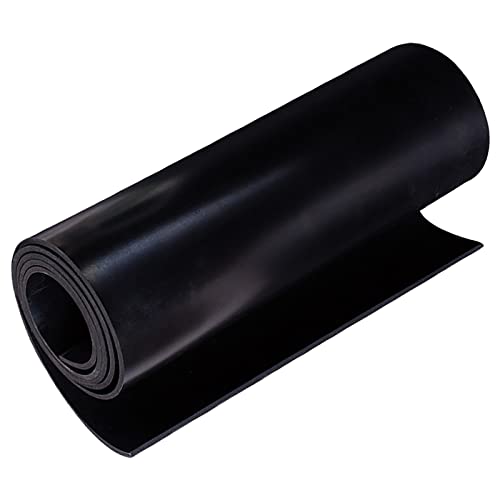
The LISHINE neoprene sheet is solid, not sponge, with smooth faces on both sides for clean finishes in gasket projects. It offers good electrical insulation and relatively low hygroscopicity, enabling stable performance in electrical and moisture-prone environments. The 1/8″ thickness provides reliable durability and flexibility, holding shape without cracking under varying temperatures. This sheet is suitable for weather stripping, gaskets, padding, and general insulation tasks where longevity and resistance to oils are important.
FOYLEAD Rubber Sheet

FOYLEAD’s heavy-duty silicone sheet delivers long-lasting wear resistance, oil resistance, and robust heat tolerance. The 0.125″ thickness offers a balanced combination of cushioning and stiffness, making it ideal for DIY gaskets, seals, and protective padding. The sheet’s versatility extends to flooring, anti-vibration applications, and sealing pipelines or equipment housings. This product emphasizes durability under fluctuating temperatures and environments, making it suitable for automotive and industrial projects alike.
RAPOLL Neoprene Rubber Sheet

RAPOLL’s neoprene sheet emphasizes durability, oil resistance, and temperature resilience. The 1/16″ thickness yields excellent flexibility for gasket formation, lining, and cushioning without adding excessive bulk. It works well for sealing joints, protecting surfaces, and reducing vibration in appliances or gear. The material’s easy-cut properties and solid performance under varied conditions make it a practical choice for hobbyists and professionals alike, especially in weather-prone environments or areas requiring anti-slip behavior.
Buying Guide: Key Purchase Considerations
- Material type: Silicone sheets excel in heat resistance and chemical stability, while neoprene offers strong oil resistance and mid-range temperature tolerance. Choose based on exposure hazards (oil, solvents, heat) and environment (humidity, outdoor use).
- Durometer and thickness: Thicker sheets (like 1/8″) provide more cushioning and load-bearing capacity; thinner options (1/16″) are better for precise gasket fitment and flexible sealing.
- Temperature range: Match the expected service temperature. For extreme heat, prioritize high-temp silicone; for moderate conditions and oil exposure, neoprene is often sufficient.
- Chemical compatibility: Assess resistance to oils, acids, solvents, and weathering. Silicone generally handles chemicals well, while neoprene resists oils and some solvents.
- Flexibility and cut-ability: Solid sheets should cut cleanly with standard tools. Easy-cut neoprene varieties reduce installation time for DIY projects.
- Applications: Consider whether you need seals, gaskets, vibration damping, or insulation. Some sheets excel at multiple roles, saving material and time.
- Durability and longevity: Look for aging, abrasion, and tear resistance to minimize replacements in high-use or outdoor installations.
- Availability and sourcing: Ensure the product is readily available in your preferred size and thickness, and verify that the material meets any safety or regulatory requirements for your project.
Selecting the right gasket sheet material depends on the specific demands of your project. The five options above provide versatile choices across silicone and neoprene families, balancing durability, sealing performance, and ease of handling for various DIY and professional tasks.