Choosing the right respirator for asbestos removal is essential for protecting your lungs from hazardous fibers. This guide reviews five highly rated options, highlighting how their filters, fit, and materials address common work environments—from demolition to renovation. Each product is evaluated for ease of use, sealing performance, and versatility across painting, dust, fumes, and resin tasks. Use the quick reference below to compare features at a glance before diving into detailed product insights.
| Product | Brand | Type | Protection Highlights |
|---|---|---|---|
| Full Face Respirator Gas Mask (B0DDPPN1TS) | DADUMK | Full Face | Double filter system; 99% organic vapor/gas |
| Reusable Respirator with 2091 Filters | MYGCCA | Half Face | Dual filtration; high electrostatic filter material |
| Igumelo Respirator Mask | Igumelo | Full Face | Dual protection; ergonomic seal |
| KAGIKA Full Face Respirator | KAGIKA | Full Face | Double protection; comfortable silicone |
| Dagakto Half Face Respirator (B0DYKBJLH2) | Dagakto | Half Face | Wide application; ergonomic design |
The following sections present five carefully selected options, each with a concise overview of style, protection level, and practical notes for asbestos-related work. All entries provide a direct Amazon link and visual aid to help you compare quickly.
DADUMK Full Face Respirator With Dual Filters

The DADUMK full-face respirator is designed for comprehensive coverage. It ships with 1 full-face mask, 2 filter boxes, 8 filter cottons, 2 plastic covers, earplugs, and 2 x 2097 filters. Its double-filter system aims to block a high percentage of organic vapors, gases, and dust, making it suitable for asbestos, painting, chemical handling, and automotive spraying. The wide compatibility with different work scenarios supports safer, multi-task use in renovation settings.
MYGCCA Reusable Respirator With 2091 Filters

MYGCCA offers a comfortable half-face design with a double-filter setup designed to block dust, asbestos, welding fumes, and related particulates. The respirator uses high-electrostatic 2091 filter materials combined with non-woven fabrics and meltblown layers. Its soft rubber construction is gentle on facial skin, making it a practical choice for longer asbestos-removal sessions where wearability matters as much as filtration efficiency.
Igumelo Full-Face Mask With Filters

Igumelo emphasizes ergonomic design with a trapezoidal filter cartridge layout and a balanced center of gravity. The dual filtration system claims up to 99% filtration of organic gases or vapors, alongside solid particles, delivering robust protection for asbestos-containing environments. The mask contours closely to the face for a reliable seal and reduced fatigue during extended use, suitable for painting, sanding, and resin handling tasks.
KAGIKA Full Face Respirator With Cartridges
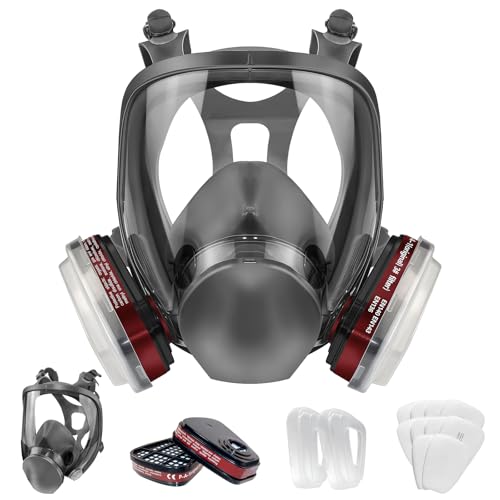
KAGIKA’s full-face model uses a double-filter design to block up to 99% of organic vapors, gases, and dust. It includes multiple filter parts and comfortable silicone materials that form a secure seal around the face, aiding long-wear scenarios common in asbestos remediation projects. The streamlined silhouette supports clear line-of-sight and comfortable wear during detailed work like painting and polishing.
Dagakto Half Face Respirator With Filters

Dagakto presents a practical half-face respirator with a simple, modular kit including two 2097 filters and earplugs. Its wide application range covers painting, sanding, polishing, and chemical operations. The product highlights a silicone-based body for skin-friendly contact and ergonomic fit designed to seal effectively against asbestos particulates, reducing leakage during movement and breathing.
Buying Guide
When selecting an asbestos-removal respirator, consider fit, filtration, and durability. A full-face model offers maximum eye and face protection, crucial if splashes or splatter are possible. Half-face options are lighter and often more comfortable for long sessions, but ensure the seal and cartridges provide equivalent filtration for asbestos fibers. Replacement filters and ease of maintenance are important for ongoing work; look for kits that include spare cartridges and cotton filters. Material quality matters—silicone facesuits typically provide better longevity and a comfortable seal than cheaper plastics. Ensure compatibility with safety goggles or face shields you may wear. Finally, verify the mask’s certifications and the availability of replacement parts in your region for sustained protection.
Filtration efficiency is central. Seek products advertising dual filtration or high-efficiency organic vapor filters compatible with asbestos-related particulates. Consider the environment: oil-based versus non-oil-based particulates, humidity, and duration of exposure can influence which filters you should select. Comfort is not optional—an ill-fitting respirator can force improper breathing patterns or frequent adjustments, compromising safety. For professionals performing renovation and removal across multiple sites, a modular kit with spare filters and easy maintenance reduces downtime and ensures you stay protected throughout the project.
Versatility is another key factor. Models that perform well in painting, sanding, welding, and dust control provide a safer, all-in-one solution. Ergonomic design, soft-touch face seals, and balanced weight distribution help minimize neck and jaw fatigue. In addition, confirm that the product comes with clear cleaning and storage guidance to preserve filter integrity and extend usage life. By weighing fit, filtration, and practicality, you can select a respirator that delivers reliable protection against asbestos while remaining comfortable and economical over the project’s duration.