Choosing the right radiant heating solution for a garage can dramatically improve comfort and productivity. This guide focuses on radiant tube and related garage heaters, highlighting models that balance efficiency, installation ease, and safe operation. The featured products span natural gas, LP gas, and electric options to help you compare installation needs, heat output, and safety features for American garages of various sizes.
Summary of Selected Products
- SunStar Garage Tube Heater – LP, 45,000 BTU (Model SIR45-15-L)
- SunStar Garage Tube Heater – Natural Gas, 45,000 BTU
- Heatstar By Enerco F125444 Radiant Overhead Garage Heater H25Ng Natural Gas
- Dyna-Glo 100,000-BTU Radiant Garage Heater (Natural Gas)
- DR Infrared Heater DR-238 Carbon Infrared Outdoor Heater
These options cover tube-style gas units and indirect radiant heaters, enabling a comparative view of heating capacity, efficiency, and installation considerations for a typical American two- to three-car garage. The list emphasizes models with clear installation guidance, robust safety features, and reliable brand support.
SunStar Garage Tube Heater – LP, 45,000 BTU

The SunStar LP version delivers a substantial 45,000 BTU output in a compact, 110-inch overall length, designed for straightforward garage installation. With efficiency up to 84.5%, this model emphasizes warm air delivery across the space with installation considerations that accommodate ceilings and open bays. Its design aligns with garages that require robust, consistent warmth without excessive zoning complexity.
Key considerations: installation height as low as 8 feet above the floor, adequate clearance from combustibles, and venting compatibility for LP gas. The unit’s compact footprint helps reduce ceiling obstruction and simplifies alignment with existing ductwork or air pathways. For garages used year-round, ensure you have proper ventilation and follow local codes for gas appliances.
SunStar Garage Tube Heater – Natural Gas 45,000 BTU

This natural gas variant mirrors the LP model in heat output and compact design, offering similar efficiency and installation flexibility. For garages with a natural gas line already in place, this option can provide seamless integration with existing fuel supplies. The emphasis remains on reliable warmth, efficient operation, and a manageable install footprint that can fit tight ceiling clearances.
Considerations include natural gas line safety, venting requirements, and the potential need for professional installation to ensure proper gas connections and combustion safety. Compare this model’s installation height and clearance recommendations to your space to determine if it matches your garage’s layout.
Heatstar By Enerco F125444 Radiant Overhead Garage Heater H25Ng
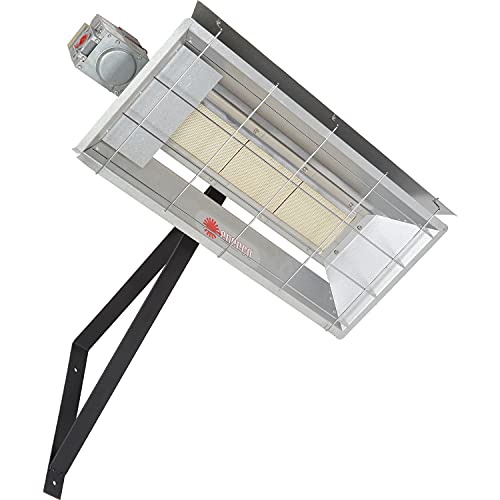
The Heatstar H25Ng is a natural gas overhead radiant heater designed for garages and workshops. It delivers heat through radiant coils, providing focused warmth to workers and equipment in the immediate area. This model is CSA certified and aims to deliver dependable warmth in spaces that require quick temperature uplift without extensive air movement.
Pros include established safety certifications and a compact overhead footprint that minimizes floor-space usage. Consider fuel availability, venting requirements, and the gas line capacity in your garage. For users who prioritize direct radiant warmth to a defined workspace, this heater offers a strong balance of performance and installation feasibility.
Dyna-Glo 100,000-BTU Radiant Garage Heater (Natural Gas)

The Dyna-Glo model provides a high-BTU option suitable for larger garages or spaces that require rapid temperature increases. With 50,000 to 100,000 BTUs possible in various configurations, it supports heating up to around 2,900 sq. ft. This option balances outdoor-grade durability with indoor use, provided proper ventilation and installation are observed.
Key factors: space requirement, ventilation and clearance, and compatibility with existing gas lines. For garage setups where doors are frequently opened, a higher BTU rating can compensate for heat loss. Always verify local code compliance and ensure robust venting to maintain indoor air quality and safety.
DR Infrared Heater DR-238 Carbon Infrared
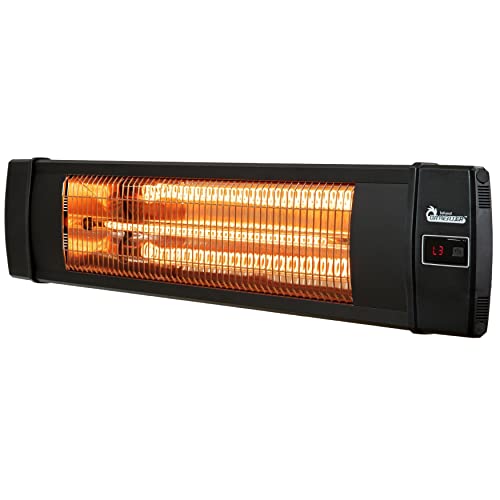
The DR Infrared DR-238 is a carbon infrared heater designed for indoor and outdoor use, offering clean, instant heat with multiple power settings (900W, 1200W, 1500W). This unit is IP55-rated for outdoor resilience, but it can function as a versatile garage heater when installation permits and safety considerations are met. It’s a plug-and-go option that minimizes complex venting requirements compared to gas models.
Consideration: ensure adequate clearance from combustibles and proper mounting to avoid tipping or contact with flammable materials. The infrared approach provides direct warmth to people and objects, which can be advantageous for targeted workflows within a garage workspace.
Buying Guide: Key Purchase Considerations
Purpose and space: Determine whether you need whole-garage warmth or targeted heating for work zones. Gas tube and overhead radiant options excel for larger spaces, while electric infrared heaters suit zones or intermittently used areas. Heat output should be matched to garage size, insulation, and door behavior (frequent opening increases heat loss).
Fuel and installation: Gas units require proper venting, gas supply, and professional installation in many locales. LP and natural gas options differ in fuel handling, venting, and efficiency. Electric heaters typically have simpler installation but must be sized to avoid excessive power draw on circuits.
Safety and maintenance: Look for CSA/UL listings, automatic shutoff sensors, and tilt or tip-over protection. Regular cleaning of vents, burners, and reflectors helps maintain efficiency. For gas models, ensure carbon monoxide detection and adequate clearance to combustibles are maintained.
Efficiency and operating costs: Compare efficiency ratings (where available) and estimated annual energy usage based on your local climate and garage usage. Gas models may offer lower operating costs in some markets, while electric options avoid fuel handling concerns.
Installation flexibility: Some models offer adjustable mounting options, including ceiling or wall placement, which influences noise, air distribution, and space utilization. If your garage has limited ceiling height or obstructions, prefer compact or versatile mounting designs.
Long-term considerations: Durability, warranty terms, and brand support influence total cost of ownership. For high-use garages, prioritize units with robust heat exchangers, corrosion resistance, and easy service access.