Exploring reliable pressure and vacuum relief valves helps protect water heaters, boilers, and piping from damage due to pressure surges or vacuum conditions. This guide highlights five dependable options, each with features suited to domestic, commercial, and industrial installations. Read on to compare design, compatibility, and safety benefits to choose the right valve for your system.
Summary of Selected Products
| Product | Brand | Key Benefit | Typical Use |
|---|---|---|---|
| VR38-100 VR Series Brass Vacuum Relief Valve | Control Devices | Adjustable relief; corrosion-resistant | Domestic to commercial piping systems |
| Vacuum Relief Valve (NBPLUS 1/2″) | NBPLUS | Durable brass, easy install, high max pressure | Water tanks and heater feeds |
| DERNORD Sanitary Adjustable Valve | DERNORD | Sanitary tri-clamp connection; stainless steel | Sanitary and clean-in-place lines |
| Cash Acme 3/4″ RV VR20 Vacuum Relief Valve | Cash Acme | Automatic reseal; hot water expansion protection | Domestic and commercial hot water systems |
| Watts LFN36-M1 Water Service Vacuum Valve | Watts | Low profile; protects against siphoning | Water heaters and storage tanks |
Control Devices VR38-100 Brass Vacuum Relief Valve

The VR38-100 model from Control Devices is a brass vacuum relief valve designed for adjustable vacuum relief up to 0-30 inches of mercury. It features a 3/8″ male NPT inlet connection and stainless steel spring for corrosion resistance. This makes it suitable for a range of piping systems, including potable water lines, boilers, and processing equipment where vacuum prevention is critical. The valve’s adjustability allows precise control to match a system’s operating requirements, helping maintain consistent flow and protect against siphoning or collapse of small-diameter lines.
NBPLUS Vacuum Relief Valve 1/2 Inch

The NBPLUS 1/2 inch vacuum relief valve emphasizes durable brass construction with a compact low-profile design, making it easy to install in tight spaces. It offers a 200 psi maximum working pressure and a high-temperature rating up to 250°F, with a 1/2″ thread for compatibility with many tanks and vessels. This valve is designed to prevent vacuum-induced water hammer and siphoning, helping protect storage tanks and connected equipment in residential and commercial settings. Its corrosion resistance supports long service life in challenging environments.
DERNORD Sanitary Adjustable Pressure Vacuum Relief Valve
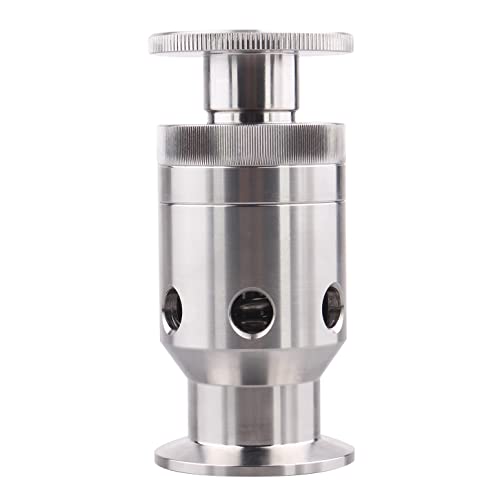
The DERNORD valve is a sanitary, adjustable relief valve with a 1.5″ Tri-Clamp connection, stainless steel 304 body, and a broad adjustable range of 1 to 2.5 bar. This design is tailored for clean-in-place systems, dairy, food processing, and other sanitary applications where reliable vacuum or pressure relief is essential. The Tri-Clamp connection eases installation and maintenance in sanitary lines, while stainless construction delivers corrosion resistance and durability in aggressive environments.
Cash Acme 3/4 Inch VR20 Vacuum Relief Valve
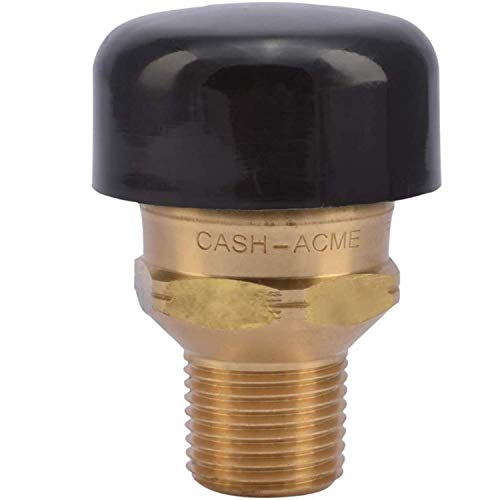
The VR20 by Cash Acme is designed to protect hot water supply systems from over-pressure due to thermal expansion. It provides automatic resealing after relieving, ensuring continuous protection for domestic and commercial hot water applications. The bronze body and dust cover help resist environmental exposure, making it suitable for installation on water heaters, hydronic systems, and similar equipment. Its automatic operation reduces the risk of pressure-related damage without manual intervention.
Watts LFN36-M1 Water Service Vacuum Valve

The Watts LFN36-M1 is a low-profile vacuum relief valve crafted for water service and heater tanks. It automatically allows air into the piping system to prevent vacuum conditions that could siphon water and damage equipment. It is compatible with low-pressure steam and water service, and is certified for domestic use in water heaters, storage tanks, and similar installations. The compact design and lead-free brass body make it a practical choice for residential systems seeking reliable vacuum relief and straightforward installation.
Buying Guide: Key Purchase Considerations
- Application and compatibility: Match valve size (inlet/outlet threads), connection type (NPT, Tri-Clamp, etc.), and materials (brass, stainless steel) to your system and fluid (water, steam, hot water, or sanitary lines).
- Pressure and vacuum range: Consider the operating range required by your equipment. Adjustable valves offer flexibility for changing systems, while fixed-range valves provide straightforward protection.
- Material and corrosion resistance: For hot water, steam, or sanitary environments, choose corrosion-resistant materials such as brass or stainless steel to ensure longevity.
- Certification and standards: Look for CSA, ANSI, or other relevant certifications to confirm safety and compatibility with building codes and local regulations.
- Installation and maintenance: Tri-Clamp or compact designs can simplify installation in clean environments. Consider ease of maintenance, resealing ability, and accessibility for service.
- Performance implications: Vacuum relief valves prevent siphoning and potential tank damage, while pressure relief valves protect against over-pressurization. In some systems, both functions are needed to ensure overall safety.
- Lead content and environmental factors: For domestic potable water, prefer lead-free or low-lead valves to meet health and safety guidelines.
When selecting a valve, evaluate the specific risks in your system—such as thermal expansion, suction lines, or sanitary processing—along with regulatory requirements. The five highlighted options provide a range of materials, connections, and adjustment capabilities to accommodate residential hot water setups, commercial tanks, and industrial piping networks. Always verify compatibility with your existing equipment and consult a qualified plumber or technician for installation if needed.