Finding the right plastic water trough for livestock involves balancing durability, temperature management, and practicality. The following selections are designed to withstand everyday farm life while keeping water accessible and clean for cattle, horses, sheep, and other livestock. This guide highlights five reliable options that cover large storage, built-in heating, de-icers for cold climates, and versatile trough designs. Use the buying guide at the end to compare features and energy efficiency, installation needs, and long-term maintenance considerations.
Summary of chosen products:
| Product | Brand | Key Feature | Capacity |
|---|---|---|---|
| Stock Tank 50-Gallon | Rubbermaid | Durable structural foam; multi-purpose | 50 gallons |
| Stock Tank 100-Gallon | Rubbermaid Commercial Products | Leak-proof, weather-resistant; large capacity | 100 gallons |
| Submergible Tank De-Icer | Farm Innovators | Submergible 1500W heater; Ice Chaser design | 1500W heater |
| Heated Bucket | Farm Innovators | Thermostatically controlled heating; easy portability | 16 gallons |
| Stock Tank Deicer | K&H Pet Products | Thermostatically controlled; floating or submersible options | 750W |
Rubbermaid 50-Gallon Stock Tank
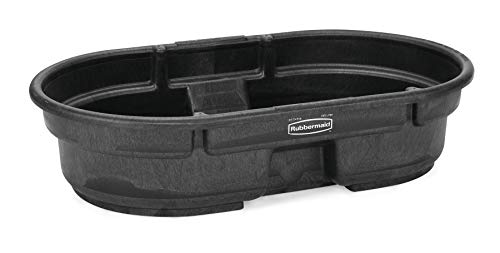
The Rubbermaid 50-gallon stock tank is built from durable structural foam designed to resist weathering and cracking. Its versatile, multi-purpose construction makes it suitable for livestock watering, but also adaptable for garden projects or outdoor cleaning tasks. The stepped sidewalls add stability by reducing bowing under load, which is helpful when animals test or lean on the sides. Ideal for mid-sized herds or as a secondary trough in larger operations.
Key features include a weather-resistant material and a robust silhouette that holds up to daily farm use. The 50-gallon capacity provides a balanced option for smaller herds or as a backup water source. While not a heater or de-icer, it can be paired with insulated covers or a separate warming solution in colder climates. Maintenance is straightforward—regular cleaning helps prevent algae buildup and odor, ensuring clean water for livestock.
Rubbermaid 100-Gallon Stock Tank

The Rubbermaid Commercial Products 100-gallon stock tank expands capacity for larger animals or higher water demands. Its structural foam construction resists weathering and cracking, making it a long-lasting choice for outdoor feeding and watering. The design emphasizes durability and leak resistance, with a seamless style that minimizes potential leaks. This tank is well-suited for farms needing a more substantial water trough without resorting to metal options, which can be prone to denting or corrosion in some environments.
With a larger footprint, this trough supports longer intervals between refills, reducing labor for busy farms. It’s compatible with standard cleaning tools and easy to disinfect. Owners should consider climate and barn layout when deploying a 100-gallon tank, as it occupies more space and may require additional water line access or drainage planning. While not heater-equipped, it can be integrated with heat solutions for winter use when freezing is a concern.
Farm Innovators Submergible Tank De-Icer

This 1500W submergible de-icer is designed to keep livestock water from icing over in cold weather. It features the Ice Chaser cast aluminum construction for efficient heating and safe operation. The device is thermostatically controlled, turning on only when needed to conserve energy. For farms in freezing climates, this option helps maintain a steady water supply without manual intervention during cold snaps. Proper installation includes submerging the heater below the waterline and ensuring cords and cords clips are protected from animals and weather.
Advantages include energy savings due to temperature-controlled operation and the flexibility to be used in various stock tanks. Users should monitor power usage in extreme temperatures and verify that the heater’s wattage aligns with the tank size and climate. Regular inspection of the cord and thermostat components helps ensure reliable performance across seasons.
Farm Innovators Heated Bucket, 16 Gallon

The 16-gallon heated bucket provides a compact solution for keeping water unfrozen during cold seasons. It includes a built-in heating element and automatic thermostatic control to activate only when needed, reducing energy consumption. The design is easy to move around the farm, with ergonomic handles for transport between pasture, barn, and troughs. This option is particularly suitable for smaller herds, horses, or where a versatile portable water source is beneficial.
Considerations include ensuring an appropriate power source and proper placement to avoid overheating or damage from animals. The heated bucket is best used as a supplemental water source or in conjunction with larger troughs to ensure consistent access to unfrozen water. Regularly inspect the heating element and seals to maintain efficiency and safety in operation.
K&H Pet Products Stock Tank Deicer
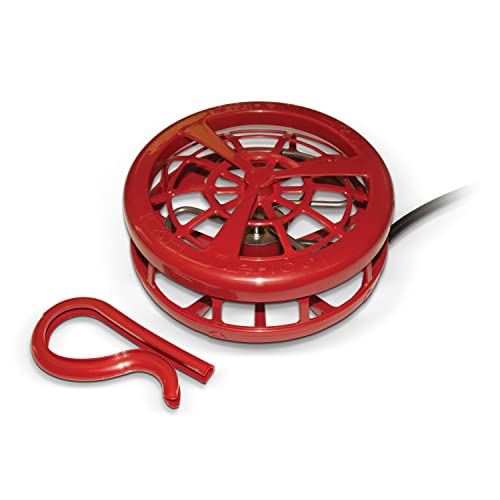
The K&H Pet Products stock tank deicer offers thermostatic control with a 750W heater, designed for floating or submersible use. It includes a full cage and cord clip for safe, secure operation and is compatible with all stock tanks. The device is designed to automatically cycle on and off to prevent freezing while maintaining energy efficiency. The included cage ensures animal safety and helps prevent direct contact with the heating element. A two-year warranty provides added assurance for farm managers evaluating long-term reliability.
Practical considerations include choosing the floating or submersible configuration based on tank shape and water line depth. The deicer works well in small to medium troughs and can complement larger tanks by reducing the risk of ice formation in colder climates. Regular checks of the cord, cage integrity, and thermostat function help ensure consistent performance throughout wintermonths.
Buying Guide: Key Purchase Considerations
- Tank capacity vs. herd size: Larger troughs (e.g., 100 gallons) suit bigger herds; smaller tanks fit mobile setups or limited space. Consider stacking multiple tanks for rotation or redundancy in busy farms.
- Heating and de-icing options: In cold climates, combine a de-icer or submersible heater with a durable trough to prevent water from freezing. Thermostatic control helps save energy by turning heaters on only when necessary.
- Power requirements and safety: Ensure electrical outlets and cords are protected from moisture and animals. Choose devices with safety features such as cord clips, full cages, and grounded installations.
- Durability and material: Structural foam troughs resist weathering and cracking, reducing maintenance costs. Look for smooth interiors to aid cleaning and minimize injury risk for livestock.
- Placement and accessibility: Position troughs where animals can drink easily but not knock over feeders. Consider shade, wind exposure, and proximity to water lines for easy replenishment.
- Maintenance and cleaning: Regular cleaning prevents algae growth and bacteria buildup. Some troughs are easier to disassemble for thorough cleaning and disinfection.
- Energy efficiency: For heating options, prioritize thermostatic control and devices with energy-saving features to reduce operating costs over time.
- Installation and compatibility: Verify that the heater or deicer is compatible with the trough size and design. Floating and submersible options require different mounting considerations.
Overall, the best choice depends on climate, herd size, and the need for mobility. For colder regions, pairing a larger tank with a thermostatically controlled deicer provides reliable access to unfrozen water. In milder climates or for portable setups, a heated bucket offers flexibility with lower capacity. Farm operators should balance upfront costs with long-term energy use, maintenance, and the ease of routine cleaning when selecting the right plastic trough solution.