Nitrogen and inert gas systems are essential for precision processes, welding, preservation, and controlled atmospheres. This article highlights five reliable products that support nitrogen and inert-gas applications—from portable generators and high-pressure regulators to inert gas cylinders. Each item is evaluated for build quality, usability, and value, helping buyers identify solid options from reputable brands and suppliers.
Summary of chosen products:
| Product | Brand | Type | Key Feature |
|---|---|---|---|
| DuroMax XP13000HXT | DuroMax | Tri Fuel Portable Generator | CO Alert, 13,000 watts |
| 60 cu ft Steel Inert Gas Cylinder | Varies | Inert Gas Cylinder (CG580) | 2015 PSI service, 3000 PSI test |
| Flame Tech HPPR-IN-700-580 | Flame Tech | High-Pressure Piston Regulator | Precise stabilization for inert gases |
| 300 cu ft Steel Inert Gas Cylinder | Varies | Inert Gas Cylinder (CG580) | Certified DOT/ISO/TC, robust construction |
| SÜA Nitrogen/Inert Gas Regulator | SÜA | Single-Stage Regulator | 0-1400 PSI delivery, 4500 PSI inlet |
DuroMax XP13000HXT 13,000-Watt Tri Fuel Generator

The DuroMax XP13000HXT combines gasoline, propane, and natural gas options within a single compact frame, delivering up to 13,000 watts when needed. This tri-fuel capability makes it adaptable for temporary power, especially during outages or field operations that require a reliable backup. A built-in CO Alert adds safety by detecting combustion byproducts, while a robust 500cc OHV engine is designed to maximize usable power under load. The unit’s versatility supports remote work sites and workshops that rely on consistent electricity without sacrificing safety or fuel choices.
Key considerations for this product include fuel availability and compatibility with home or job-site power loads. Potential buyers should verify required connections for propane or natural gas supply lines and ensure proper ventilation for outdoor use. While it offers substantial power, budgeting for fuel options and maintenance is important in the long term.
60 cu ft Steel Inert Gas Cylinder

This steel cylinder is designed for inert gas storage, suitable for nitrogen, argon, helium, or CO2/nitrogen mixes. It features high-strength steel construction with a durable painted surface and comes with a CGA580 valve installed. The cylinder is certified for hydro testing within the past year and is DOT-approved, ensuring compliance with industry safety and handling standards. With a service pressure around 2015 PSI and a test pressure of 3000 PSI, this container is well-suited for demanding industrial applications that require consistent gas supply and reliable containment.
When selecting inert gas cylinders, buyers should consider compatibility with their regulators and hoses, the expected gas flow rates, and the required valve configurations. Storage safety and compliance with transportation guidelines are also essential for facilities that move cylinders between sites or store them in workspaces.
Flame Tech High-Pressure Piston Regulator

The Flame Tech HPPR-IN-700-580 is a high-pressure piston regulator optimized for inert gases like nitrogen and argon. Its forged brass body and bonnet deliver durability under high-pressure conditions, with a maximum inlet pressure up to 3000 PSI. The regulator features an easy-to-read dual scale with a clear acrylic lens and a 1/4-inch hose connection. This design supports precise control needed in welding, brazing, or lab settings where stable gas delivery is critical.
Considerations for use include the regulator’s compatibility with your gas cylinder and hose sizes, the need for accurate pressure control in sensitive processes, and the maintenance requirements of brass regulators exposed to frequent adjustments. The dual-scale display assists operators who monitor pressure closely, reducing the risk of sudden downstream surges or fluctuations.
300 cu ft Steel Inert Gas Cylinder
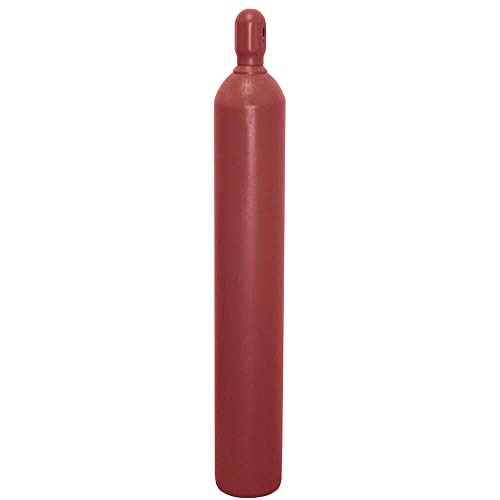
This larger steel cylinder offers substantial storage for inert gases such as helium, nitrogen, argon, or CO2/nitrogen mixes. It is certified with DOT, ISO/UN, and TC approvals and ships with a CGA580 valve installed for straightforward integration with existing regulators and equipment. The thick-walled steel construction provides robust durability for industrial environments and long-term use. Buyers should assess their storage space, transport logistics, and the intended gas flow requirements to ensure the cylinder matches demand and operational tempo.
Practical purchasing considerations include identifying appropriate regulators, hoses, and adapters, as well as routine inspection schedules and hydrostatic testing to maintain safety and performance over time.
SÜA Nitrogen/Inert Gas Regulator

The SÜA regulator is a single-stage device rated for 0-1400 PSI delivery with a maximum inlet of 4500 PSI. It features a brass machined body and housing cap designed for heavy-duty applications, plus a sintered inlet filter and Delrin cap bushing for smooth adjustments. Its 1/4 inch hose compatibility makes it a versatile choice for welding, brazing, or lab settings where precise gas delivery is essential. The regulator’s cartridge-style seat and PTFE seating help maintain stability under varying pressures, reducing the risk of leaks or fluctuations during operation.
For buyers, key considerations include inlet pressure sources, the desired delivery range, and compatibility with existing gas systems. Regular calibration and inspection can help sustain accuracy, particularly in high-precision tasks where even small pressure deviations matter.
Buying Guide: Key Purchase Considerations and Comparisons
- Gas type and compatibility: Assess whether you need nitrogen, argon, helium, carbon dioxide, or a mixed gas; confirm that regulators, valves, and cylinders support those gases and pressures.
- Pressure ranges and regulation: For inert gas work, precise regulation is crucial. Look for regulators with clear scale readings, stable flow, and compatibility with your inlet pressures.
- Cylinder size and portability: Smaller cylinders are easy to handle but require more frequent changes; larger cylinders provide longer runs but demand more storage and safe handling practices.
- Safety features: CO alerts, proper valve installations, DOT/ISO/TC certifications, and hydro tests contribute to safer operations in home, shop, or industrial settings.
- Regulatory compliance: Verify that cylinders and regulators meet recognized standards (CGA580 valve compatibility, DOT/ISO/UN approvals) to ensure transit and use safety.
- Maintenance and service life: Brass regulators and forged brass bodies offer durability, but regular inspection, leak testing, and timely part replacements extend system life.
- Power and versatility of choices: For portable needs, a tri-fuel generator provides flexibility when fuel sources vary; for stationary inert gas work, high-pressure regulators paired with robust cylinders offer steady performance.
- Total cost of ownership: Consider initial purchase price, ongoing fuel costs (where applicable), regulator replacements, and cylinder refilling expenses when budgeting long-term projects.
- Safety handling and storage: Store cylinders upright in secure racks, use protective caps, and follow local regulations for cylinder transport and storage to minimize hazards.
In summary, the selected lineup covers essential aspects of nitrogen and inert-gas needs—from portable power and high-pressure regulation to robust cylinder storage. Buyers should align product choices with their gas types, required pressure stability, storage capacity, and safety protocols to ensure reliable operations across industrial, welding, and laboratory environments.