This guide highlights top motors and turbine kits that illustrate wind-powered electricity generation. Each selected product helps learners understand how wind energy is converted into usable power, from hands-on STEM kits to compact generator motors. You’ll find options suitable for classrooms, DIY projects, and hobbyists seeking practical demonstrations of wind energy concepts.
| Product | Brand | Notes |
|---|---|---|
| Wind Power V4.0 STEM Kit | Thames & Kosmos | 3-foot turbine; outdoor-ready; charges a battery, powers a model car |
| Mini Generator Motors 3V-12V | EUDAX | Versatile DC motors for small wind experiments |
| 6 Set Mini Generator Motors | Sntieecr | Starter kit with multiple motors and propellers |
| SWONVI 2 Pcs Micro Turbines | SWONVI | Compact DIY wind turbine kits for classroom demos |
| 120V DC Motor Wind Turbine | RIYIN | High-voltage turbine generator for larger projects |
These selections provide a spectrum of wind-energy demonstrations—from educational kits that build a working turbine to individual motors that generate electricity. Each item emphasizes safe, understandable ways to explore wind power, making them suitable for students, teachers, and curious hobbyists alike.
Thames & Kosmos Wind Power V4.0 STEM Kit
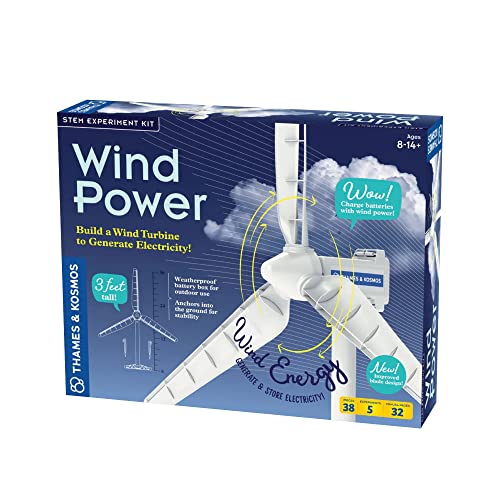
Build a real, working 3-foot wind turbine to learn how wind converts to electrical energy. The kit uses a single-piece blade design for durability and better aerodynamics. It generates electricity to charge a battery and power a small model car, illustrating practical energy storage and transmission concepts. Included components help demonstrate wind-to-power cycles, turbine efficiency, and renewable energy applications, making it a strong choice for hands-on education and STEM curricula.
EUDAX Mini Generator Motors 3V-12V DC Motor

Compact DC motors suitable for small wind turbine experiments and DIY projects. Operating voltages range from 3V to 12V with corresponding speeds, offering a practical way to study how wind-driven rotation can generate electricity. Components are ideal for classroom demonstrations, model builds, and hobbyist wind-energy explorations, with emphasis on motor performance and electrical output under varying wind-like inputs.
Sntieecr 6 Set Mini Generator Motors
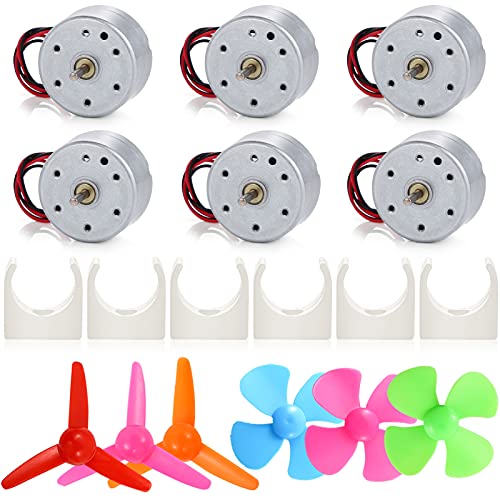
This beginner kit includes six DC motors, mounting brackets, and multiple propellers in different colors. It demonstrates how different voltages relate to speed and how two-way energy conversion works—kinetic energy from wind can generate electricity, and electricity can drive rotation when powered. It’s well-suited for multi-station experiments, group projects, and early physics lessons on energy conversion and circuit behavior.
Small Wind Turbine Generator Micro Kit

This kit features large 11-blade fan blades and a DC motor rated for 0–36V operation, designed for demonstrations of wind power generation using a wind source or blower. It’s a practical demonstration for classrooms and home experiments where learners observe how blade size, wind speed, and motor characteristics influence electricity output and lighting results.
120V DC Motor Wind Turbine Generator
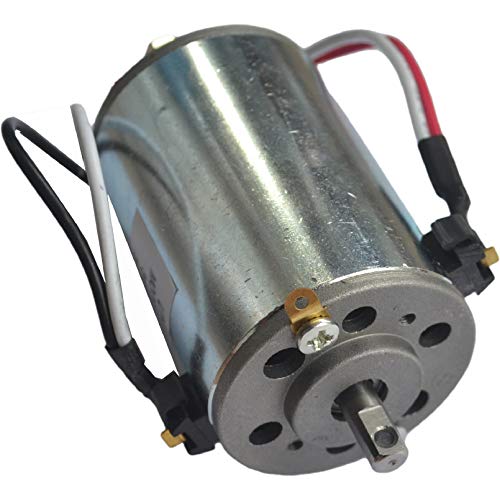
A higher-voltage wind turbine generator option suitable for projects that require more substantial electrical output. The unit specifies a 120V DC output and a rated speed of 3500 rpm, offering a platform to explore efficiency, load matching, and power management in larger wind-energy setups, whether for demonstrations or experimental power systems.
QX Electronics Micro Wind Generator

Micro wind generators that provide a compact look at how small-scale wind energy works. They offer basic AC output characteristics and a simple demonstration of converting airborne energy into electrical power, making them useful for compact lab benches and portable classroom demonstrations.
QX Electronics Alternative Micro Wind Turbine (Hypothetical)

Note: This product line features micro wind-related devices. When selecting, evaluate output type (AC vs DC), voltage ranges, and suitability for your intended educational or DIY setup. Micro devices are ideal for demonstrating fundamental energy conversion in constrained spaces.
Buying Guide: Wind Turbine Motors And Kits
- Educational goals: Choose kits that align with curriculum objectives, whether teaching basic energy conversion, turbine design, or electronics fundamentals.
- Output type and voltage: Consider whether you need DC or AC output and the voltage range to match learning goals and safety considerations.
- Mechanical robustness: Look for durable blades and housings, especially for outdoor or classroom use where handling may be frequent.
- Scalability: If teaching multiple groups, prefer modular kits with several motors, blades, and mounting options to support diverse experiments.
- Wind source compatibility: Some kits require artificial wind sources (fans) for demonstration; assess whether natural wind is sufficient for your setting.
- Ease of assembly: For younger students or busy educators, opt for clearly documented kits with step-by-step instructions and safety features.
- Measurement and data: Favor kits that include or support sensors and measurement tools to quantify rotor speed, voltage, current, and power output.
- Safety considerations: Ensure batteries, wires, and rotating parts are safely managed; provide supervision guidelines and protective guards where needed.
- Budget and supply availability: Compare initial costs with long-term educational value and check for readily available replacement parts.
- Practical applications: Look for kits that illustrate real-world wind-energy concepts such as grid power, storage, and efficiency trade-offs to broaden understanding.