Choosing the right insulated liners can significantly improve the reliability of shipping cold and hot foods, perishable items, or temperature-sensitive goods. This guide reviews five prominent options, highlighting insulation material, durability, and suitability for different shipping needs. Each product below includes a quick overview and essential features to help buyers compare at a glance.
| Product | Brand | Key Feature | Typical Use |
|---|---|---|---|
| ZEAYEA Insulated Shipping Bags | ZEAYEA | Aluminum film and foam for durable insulation | Frozen or hot foods transport, camping, groceries |
| IDL Packaging Insulated Box | IDL Packaging | EcoMax Thermal-Paper Liners, up to 72 hours cold | Frozen meat, seafood, or other perishables |
| Elite Tool Center Bubble Foil Liners | Elite Tool Center | Bubble foil insulation, self-sealing | Cold shipping, lightweight reuse |
| QoTang Insulated Box Liners | QoTang | Pearl cotton and aluminum foil, durable | Frozen and hot foods, transport insulation |
Below are five carefully chosen options that cover a range of sizes, materials, and use cases. Each product is presented with a concise overview to support quick decision-making.
id=”zeayea” >ZEAYEA Insulated Shipping Bags — 10 Pack
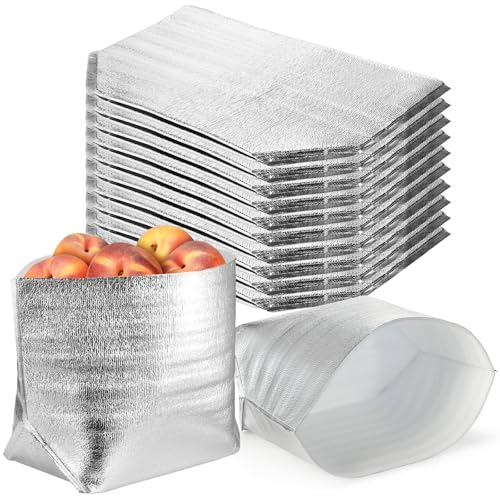
ZEAYEA offers a 10-pack bundle of insulated liners sized 13.2″ x 8.7″ x 13.2″. The liners combine aluminum film with foam to deliver lightweight, waterproof insulation. They are designed for transporting frozen or hot foods, while also accommodating seafood, fruit, beverages, and flowers with ice packs. The durable, reusable bags emphasize practicality for frequent shipping or outdoor use such as camping or picnics. Features include a waterproof, durable build and strong insulation performance that helps maintain temperature during transit.
id=”idl” >IDL Packaging Insulated Box with EcoMax Liners
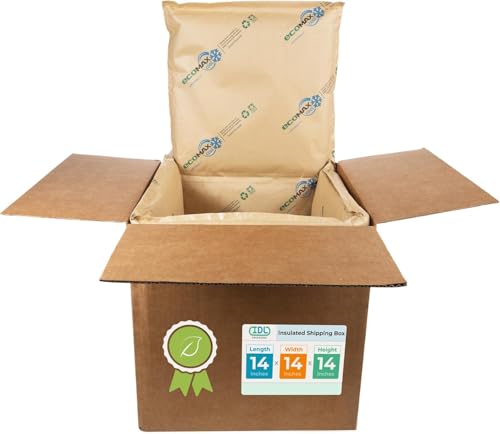
IDL Packaging provides a 14″ x 14″ x 14″ insulated shipping box with EcoMax Thermal-Paper liners. The 1.5-inch thick liners, combined with ice packs, can keep contents cold for up to 72 hours. The liners use a kraft paper shell with multilayer cellulose wadding to protect against moisture and microbial growth. This option appeals to businesses seeking a paper-based insulation solution that reduces condensation and spoilage risk while offering solid cold-chain performance.
id=”elite” >Elite Tool Center Bubble Foil Insulated Liners — 25 Pack

This 25-pack from Elite Tool Center uses bubble foil insulation and self-sealing design for quick closures. The 12″ x 12″ x 12″ per liner size supports standard shipping boxes, offering a cost-effective, lightweight option for both cold and mixed-temperature shipments. The self-sealing feature simplifies packing workflows, especially in high-volume operations, while the bubble foil structure provides reliable insulation for short- to mid-range transit times.
id=”qotang” >QoTang Reusable Insulated Box Liners — 10 Pieces

QoTang offers a 10-piece set of insulated box liners sized 13.4″ x 9.5″ x 13″, designed for frozen and hot foods. The liners are crafted from a combination of pearl cotton and aluminum foil, delivering waterproof, reusable insulation. They are positioned for transport needs that require flexibility across forms of meals, beverages, seafood, and produce, while maintaining a lightweight profile and straightforward cleaning.
id=”smilco” >Smilco Thermal Box Liners — 6 Pieces

Smilco provides a compact set of 6 metalized liners sized 13 x 8.5 x 12. The liners are designed for reusable thermal insulation and are described as waterproof and easy to fold flat for storage. The metalized surface helps reflect heat transfer, supporting cost-effective cold or hot transport for everyday shipments. The pack suits small businesses or individuals shipping multiple items with tight storage space.
Buying Guide
When choosing insulated liners for shipping, consider the following factors to match product features with your needs:
- Insulation Material: Look for combinations such as aluminum foil with foam, pearl cotton, or bubble foil. Each provides different levels of heat retention, weight, and moisture control. For long-term cold retention, thicker liners and paper-based liners with moisture control can help reduce spoilage.
- Temperature Range and Duration: Identify whether your shipments require short- vs. long-duration cooling. Some options claim up to 72 hours with ice packs, while others are suitable for quick-turn shipments.
- Box Compatibility: Confirm liner dimensions align with your shipping boxes. Common sizes like 12″ x 12″ x 12″ or 13″ x 9″ x 13″ cover a wide range of standard cartons and tote boxes.
- Material Robustness and Reusability: Reusable liners cut waste and total cost per shipment. Check for waterproof materials, tear resistance, and ease of cleaning.
- Condensation Control: Paper-based liners can offer better moisture management than plastic-only options, reducing soggy shipments and microbial risk.
- Sealing and Handling: Self-sealing designs speed packing and reduce leakage risks. Consider whether you need easy-closure features for high-volume use.
- Environmental Impact: Look for recyclable or reusable options and materials that minimize ecological footprint without compromising performance.
- Use Case Versatility: If you ship a mix of seafood, produce, and prepared meals, a multi-material liner with strong cold retention and moisture control can be more versatile.
Overall, select liners that balance insulation performance, durability, and cost, with attention to your typical shipment sizes and transit times. For frequent perishables, pairing liners with insulated boxes and appropriate ice packs offers the strongest cold-chain support. For on-the-go deliveries or occasional shipments, lighter, self-sealing liners can streamline operations without compromising food safety.