When kitchens handle heavy food preparation, reliable grease interceptors with effective flow control are essential. This article reviews top grease interceptors and flow control devices from trusted brands, highlighting construction, capacity, and installation considerations for American commercial kitchens and restaurants. The selections prioritize durability, space efficiency, and ease of maintenance to help facilities reduce odors, clogs, and downtime.
| Product | Brand | Flow Rate (GPM) | Inlet/Outlet | Notes |
|---|---|---|---|---|
| Zurn GT2701-20-3NH Lo-Profile | Zurn | 20 | 3″ No Hub | Low-profile steel grease interceptor with flow control |
| Zurn GT2700-25-3NH | Zurn | 25 | 3″ No-Hub | Flow-control enabled grease trap |
| John Boos GT-100 | John Boos | 100 | 2″ (intermediate dimensions) | Carbon steel with corrosion-resistant coating |
| John Boos GT-70 | John Boos | 70 | 2″ (intermediate dimensions) | Carbon steel with deck plate and lockable lid |
| Zurn GT2700-35-3NH | Zurn | 35 | 3″ No-Hub | Durable, corrosion-resistant with flow control |
Zurn GT2701-20-3NH Lo-Profile Grease Interceptor
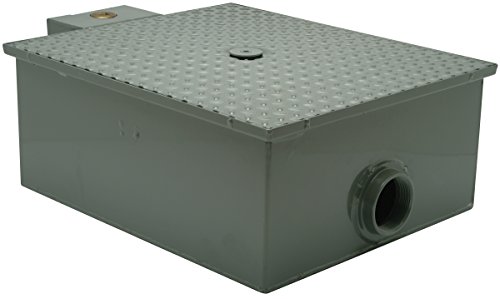
The Zurn GT2701-20-3NH combines a compact lo-profile design with a 20 GPM flow rate, suitable for under-sink or space-constrained installations. Made for tough environments, its durable steel construction resists impact and wear in commercial kitchens. The model supports efficient grease separation while maintaining a compact footprint, helping kitchens optimize floor space without sacrificing performance. Its 3″ no-hub inlet/outlet design simplifies pipe connections, and the unit is designed to retain odors and reduce wastewater odors through a secure, well-sealed lid.
Zurn GT2700-25-3NH GT2700 3″ No-Hub Flow Control
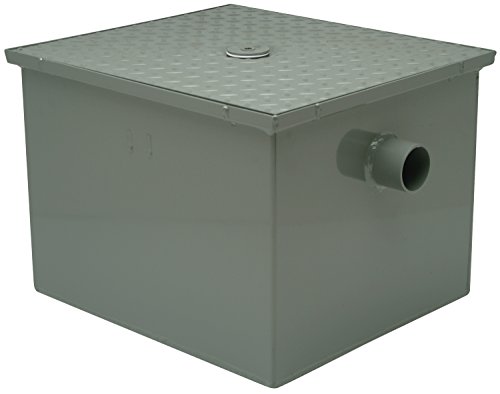
This model features a 25 GPM rating and a robust flow control mechanism, ideal for mid-sized commercial kitchens. The corrosion-resistant, fabricated steel construction extends product life in demanding environments. A secured, slip-resistant cover and a center tie-down assembly help manage odors and ensure the lid stays closed when not in use. The 3″ no-hub inlet/outlet supports straightforward pipe routing, making installation more predictable in retrofit or new-build kitchens.
John Boos GT-100 Carbon Steel Grease Interceptor

The John Boos GT-100 delivers a high-capacity grease capture with a 100-pound grease limit, facilitating longer service intervals for busy kitchens. Its dimensions (30.5″ L x 21.5″ H x 22.25″ W) support substantial throughput, while a 4″ top-to-pipe opening along with a 16.1″ base clearance supports easier plumbing integration. Built from TIG-welded 11-gauge carbon steel with a corrosion-resistant coating, the GT-100 combines strength with practical access via a non-slip deck plate and a removable baffle for secure lid operation.
John Boos GT-70 Carbon Steel Grease Interceptor
The GT-70 offers a balance between capacity and space, rated at 70 pounds of grease containment. Its dimensions (28.5″ L x 19.3″ H x 18″ W) fit mid-sized kitchens, with a 3.5″ top-to-pipe opening and 14.1″ from pipe opening to base for flexible installation. Like other Boos units, it uses TIG-welded carbon steel with a corrosion-resistant coating and includes a deck plate with a locking mechanism and a removable baffle to ensure the lid remains securely closed during operation.
Zurn GT2700-35-3NH Grease Interceptor

The GT2700-35-3NH is a larger option within the Zurn line, delivering 35 GPM with a 3″ no-hub connection. It emphasizes long-term durability via corrosion-resistant, Dura-coated fabricated steel construction, making it suitable for high-demand kitchens in fast-paced food services. A secured, slip-resistant cover with a center tie-down assembly helps isolate odors and reduce leakage, while the flow control device assists in maintaining steady grease separation even during peak hours.
Buying Guide: How to Choose a Grease Interceptor With Flow Control
Key considerations for selecting a grease interceptor with effective flow control include capacity, space, and connection type. A higher GPM rating supports kitchens with larger volumes of wastewater, reducing the risk of overflows during peak periods. For compact layouts, lo-profile or smaller footprint models help conserve floor space without compromising performance.
- Flow control features: Look for devices that regulate inflow to the trap, reducing surges that can push odors and fats into the drain system. Integrated flow diffusers and center tie-downs can help maintain consistent performance.
- Material and finish: Coated or corrosion-resistant steel prolongs life in damp kitchen environments. TIG welding provides durable seams for heavy use.
- Inlet/outlet sizing: Matching your existing plumbing is crucial. Some models use 2″ or 3″ connections; ensure compatibility with your current piping and trap layout.
- Maintenance access: Lids and baffles should allow easy cleaning and inspection. Deck plates that lock securely reduce safety concerns and odor escape.
- Code compliance: Verify that the unit meets local code requirements and any applicable national standards for grease interceptors in your area.
In summary, when choosing a grease interceptor with flow control, balance capacity and footprint, evaluate the ease of installation, and consider long-term maintenance and durability. The selected models here reflect a range of sizes and configurations to fit various commercial kitchen setups while prioritizing reliable flow control and odor management.