If you’re growing edible or medicinal mushrooms at home, a reliable fruiting chamber is essential. A well-designed chamber optimizes air exchange, humidity control, and cleanliness, helping you achieve consistent yields. Below is a curated selection of monotubs, grow kits, and still-air options that are well-suited for American hobbyists and small-scale cultivators. Each choice emphasizes durability, ease of use, and proven performance across common species. Use the buying guide to compare your best-fit option based on space, budget, and growing goals.
| Product | Volume | Key Feature | Brand |
|---|---|---|---|
| Myco Labs Grower’s Select 66Q Large Monotub | 66 Quarts | Six air holes with 2.5″ filter disks | Myco Labs |
| Myco Labs Grower’s Select 28Q Cube Monotub | 28 Quarts | 4 air holes with 2.5″ filter disks | Myco Labs |
| Myco Labs Grower’s Select 28Q Cube Monotub (With Liner) | 28 Quarts | Includes liner and disks for optimal air exchange | Myco Labs |
| North Spore Boomr Bin Mushroom Monotub | Up to 25 lbs substrate | Patent-pending, beginner-friendly design | North Spore |
| MonoTub Mushroom Grow Kit (All-in-One) | Reusable monotub + bags | Complete setup with grow bags and substrate | MushroomSpawnStore.com |
Myco Labs Grower’s Select 66Q Large Monotub Fruiting Chamber

The 66-quart monotub is designed for bulk grows, offering a large usable volume and durable construction. Made by Microppose for the Grower’s Select line with high-density polypropylene, this chamber emphasizes longevity and easy cleaning. It features six air holes paired with 2.5-inch monotub filter disks to support balanced air exchange, creating an environment conducive to robust mushroom development. The dimensions—approximately 22.5″ long, 15.5″ wide, and 12″ outside diameter—make it suitable for dedicated grow spaces while still fitting under many shelves or within garage setups.
Durability is a core strength here: the material stands up to repeated use, and the design aims to minimize contamination risk by providing a sealed, cleanable interior. This is a practical choice for growers intending large harvests or ongoing production, rather than casual or starter setups. Users should maintain proper cleaning protocols between runs to maximize both yield and reuse life.
Grower’s Select 28Q Cube Monotub Fruiting Chamber (2 Pack)

This 2-pack delivers compact monotubs that still provide effective air exchange. Each 28-quart cube uses high-density polypropylene for durability and resilience. The kit includes eight monotub filter disks, liners, and plugs, supporting quick setup and reuse. With four air holes per tub and strategically placed disks, users get a balanced environment for various species. The relatively small footprint makes these monotubs ideal for apartment grow rooms or spaces with limited square footage, while still enabling frequent harvesting cycles.
Owners should note the importance of maintaining humidity and cleanliness—these tubs offer flexibility for different humidity strategies, including humidity tents or misting schedules. The 2-pack is especially convenient for growers who want to experiment with different strains or manage staggered fruiting cycles without purchasing new chambers each run.
Myco Labs Grower’s Select 28Q Cube Monotub with Filter Disks and Liner

This 28-quart monotub blends compact design with effective airflow control. Manufactured and molded by Microppose for durability, it uses four air holes and 2.5-inch monotub filter disks to provide an optimized growth environment. The included liner aids in quick cleanups and reuse, while the cube geometry maximizes available volume in a footprint-friendly form. The 28-quart size is often a sweet spot for hobbyists who want steady production without requiring vast space.
As a mid-range option, it balances cost against capacity, enabling multiple cycles per season. Practical growers should pay attention to the quality of the disks, bagging of substrate, and consistent misting to preserve humidity levels within the chamber’s interior. The liner helps minimize moisture loss during handling and reduces substrate adhesion to the walls, simplifying post-harvest cleanup.
Mushroom Boomr Bin Monotub by North Spore
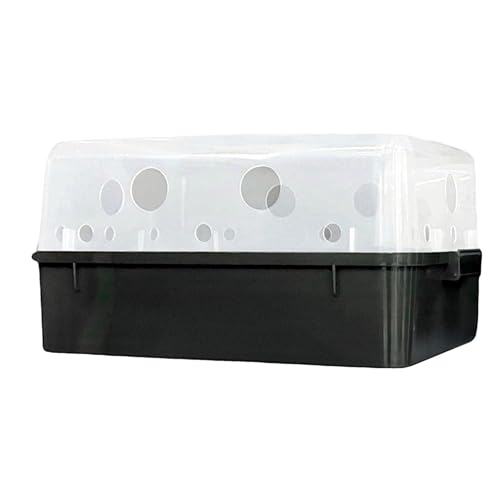
The Boomr Bin monotub from North Spore is designed to simplify home mushroom cultivation. Its patent-pending design supports both beginner-friendly grows and potential upgrades, such as automated humidity or airflow enhancements. The tub is built to hold up to 25 pounds of substrate and is constructed with food-grade materials to ensure safety and durability. The emphasis on a sturdy, reusable design makes it suitable for growers who want a long-term, sustainable setup with predictable results.
From a practical perspective, the Boomr Bin’s geometry and materials aim to withstand the moisture-intensive conditions typical of fruiting. While it is designed for ease of use, some users may opt to add adjustable vents or fans to tailor airflow for different mushroom species or environmental conditions. This flexibility can support steady yields across varied climate zones in the United States.
MonoTub Mushroom Grow Kit | All-in-One

This all-in-one kit pairs a durable monotub with four all-in-one grow bags, creating a streamlined path from spawn to fruit. The bag design combines premium spawn and substrate in a single pre-sterilized package, helping to remove layering and mixing steps. The kit emphasizes long-lasting, reusable components and uses organic ingredients in the substrate, supporting a healthier growth medium for mushrooms. It’s a practical option for home growers seeking a simpler, integrated workflow and reliable results across multiple runs.
Kardeep Still Air Box for Mycology

The Still Air Box by Kardeep is a portable static air box designed to minimize contamination risk during the inoculation and growth phases. Its clear shell allows full visibility of the interior, and the dual-side access zippers plus glove ports facilitate manipulation without direct contact. The 35.5″ x 23.5″ x 23.5″ dimensions offer ample working space while remaining compact enough for basement or garage setups. This model emphasizes a sterile environment and controlled airflow, which can be critical for hobbyists experimenting with different substrates or species in a still-air workflow.
Buying Guide: Key Considerations for Selecting a Fruiting Chamber
- Volume and space: Larger monotubs like the 66Q provide substantial substrate capacity, suitable for high-volume runs, whereas 28Q cubes fit tighter spaces and apartment environments.
- Air exchange design: Filter disks and strategically placed holes drive humidity and fresh air delivery. Consider how easy it is to clean and replace disks between cycles.
- Materials and durability: High-density polypropylene and food-grade components reduce wear and contamination risk. Reusability matters for ongoing cultivation.
- Accessories and setup: Liners, plugs, and liners ease cleaning and can improve moisture retention. Bundled kits save time for new setups.
- Species compatibility: Most monotubs are versatile for dung- or wood-loving species. If growing sensitive species, a still-air box may reduce contamination risk during inoculation.
- Price to performance: While larger units cost more, they can lower per-cycle costs through longer reuse. For beginners, a compact, all-in-one kit may offer the best return.
- Maintenance: Look for components that are easy to sanitize and replace. A breathable, cleanable interior supports consistent fruiting cycles.
When selecting a fruiting chamber, align your choice with your space, target yields, and comfort with handling sterile processes. For beginners, a compact monotub with liner and a basic still-air box offers a gentle introduction to home mushroom cultivation. Experienced home growers may prefer larger monotubs and modular designs that allow for automation upgrades and higher yields over time.