When a fire pump relies on precise pressure control and timely relief, choosing the right relief valves, protectors, and related fittings is critical. This guide highlights five compatible products that support valve reliability, safe operation, and easy testing. Each entry summarizes core features and how it helps maintain system integrity in demanding environments. Use the product links to compare specifications, installation notes, and compatibility with common fire pump setups.
| Product | Brand | Key Features |
|---|---|---|
| Bosch Relief Valve – 1110010013 | Bosch | Compact relief valve with model 1 110 010 013; 6.6 cm height; 6.6 cm length; 11.3 cm width |
| General Pump 3/8″ Pump Thermal Protector #100557 | General Pump | Inlet 3/8″ NPT; relief temperature 145° F |
| Fuel Injection Pressure Tester Adapter 305.32 | Mizoneparts | Compatible with Ford fuel systems; two Schrader valves; long 12.5 cm hose; brass and reinforced rubber |
| 1/2″ Female Thread Y Shaped Strainer Filter | Agatige | Stainless steel Y-type strainer; removes particulates; high-pressure capable |
| Fuel Pump for Honda 15-20 CB300F / 11-13 CBR | Fuel Pump Factory | Drop-in replacement; advanced pressure relief valve for correct PSI |
Note: In all cases, verify compatibility with your specific fire pump model, system pressure, and local codes. The listed features provide a starting point for evaluating how each unit can contribute to reliable relief, protection, filtration, or testing in a fire pump circuit.
Bosch Relief Valve — Model 1 110 010 013

The Bosch relief valve features a compact design with dimensions suited for tight installations in pump housings and control panels. Its model number 1 110 010 013 aligns with common Bosch fittings, enabling straightforward replacement in systems where a dedicated relief device is required to vent excess pressure. The valve’s size and materials are designed for compatibility with standard piping and fittings, aiding quick installation and serviceability in field situations.
Key aspects include a defined relief characteristic and robust construction to endure demanding environments. When integrating a relief valve like this, ensure proper seating, seal compatibility, and verified flow paths to prevent unintended leakage or flow restrictions. This unit is suited for applications where a compact, reliable relief path is necessary to protect pump components and piping from overpressure events.
General Pump 3/8″ Pump Thermal Protector

This thermal protector provides a safety shutoff mechanism when pump temperatures approach critical levels, helping prevent overheating and potential damage to the pump and seals. The 3/8″ NPT inlet allows for straightforward integration into standard pump plumbing, while the specified relief temperature (145°F) gives installers a clear threshold for protection. This component is particularly important in high-demand firefighting scenarios where duty cycles can be long and operating temperatures rise quickly.
Installers should verify correct orientation and electrical compatibility (if integrated with a thermal switch) and ensure that the protector is wired to a safe, audible/visible alert or automatic shutdown as required by code. While not a valve, the thermal protector acts as a critical protective device that complements relief strategies by reducing the risk of thermal-induced failures and extending service life under strenuous use.
Mizoneparts Fuel Injection Pressure Tester Adapter 305.32

The 305.32 adapter is designed for precise fuel injection pressure testing, with compatibility for Ford F-Series engines and select Lincoln models. It includes two Schrader valves and a longer 12.5 cm hose, improving reach and ease of connection to fuel rails in various configurations. The brass body and reinforced rubber hose provide durability in high-pressure testing environments, making this adapter suitable for professional diagnostics and routine maintenance in test rigs that support fuel system verification.
In a fire pump support context, such adapters can be used for diagnostic purposes to verify fuel system pressure when testing auxiliary fuel pumps or when validating pressure relief scenarios in test benches. Ensure the test setup remains leak-free and wear-resistant under repeated use, and use proper safety equipment when pressurizing fuel systems.
Agatige 1/2 Inch Y Shaped Strainer Filter
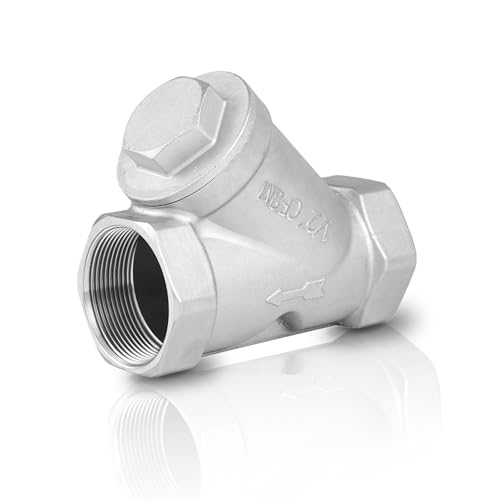
The Agatige Y-shaped strainer filter is a stainless steel filter designed to remove particulates before they reach critical valve or pump components. Its 1/2-inch size suits smaller-diameter piping and ensures low resistance while providing reliable filtration for water, steam, and similar media. This type of strainer helps protect relief valves, regulators, and pump internals from debris that could cause blockages or abrasion, supporting smoother operation and longer service life in pump systems.
When selecting a strainer, consider particulate load, flow rate, and ease of cleaning. Stainless steel construction supports durability in high-pressure environments, while easy disassembly for cleaning helps maintain performance between maintenance cycles. Proper threading and sealant use are essential to prevent leakage at connection points.
Fuel Pump for Honda 15-20 CB300F / 11-13 CBR Series

This fuel pump is a drop-in replacement designed for specific Honda models, featuring an advanced pressure relief mechanism to ensure correct PSI in the fuel system. While primarily intended for motorcycles, the principle of a reliable relief path and stable pressure delivery is relevant to any pump system that relies on precise fuel handling. In a broader pump-relief context, a well-matched pump with a built-in relief feature helps maintain consistent pressure during surge events and reduces the risk of overpressure in the fuel line.
Installers should verify compatibility with the exact model, confirm wiring, and ensure that the relief mechanism aligns with the system’s pressure requirements. Professional installation and adherence to safety standards are essential when integrating replacement pumps in powered pumping systems.
Buying Guide: Key Considerations For Fire Pump Relief Valves And Related Components
When selecting relief valves, thermal protectors, adapters, strainers, and compatible pumps for fire pump systems, consider the following perspectives to ensure a balanced, code-compliant choice:
- Relief valve sizing and setpoints: Match valve capacity to the pump’s maximum expected pressure and the piping system’s pressure rating. Correct setpoints prevent overpressure while avoiding nuisance venting.
- Material compatibility and environment: Choose materials that resist corrosion, oxidation, and thermal cycling in the intended service. Stainless steel and brass components often provide durability in demanding conditions.
- Protection vs. filtration: Balance relief and protection devices (valves and protectors) with filtration to prevent debris from causing blockages or wear in seals and moving parts.
- Temperature protection: Thermal protectors guard against overheating. Ensure electrical integration, alarms, and shutdown protocols align with local safety codes.
- Diagnostics and testing: Use appropriate adapters and testers to verify fuel system and pump pressures in controlled environments. Regular testing supports reliability and early fault detection.
- Installability and maintenance: Favor components with straightforward installation, clear labeling, and accessible maintenance procedures to minimize downtime during service.
- Code compliance: Confirm that all components meet relevant standards and local regulations for firefighting equipment, including pressure safety, electrical wiring, and inspection intervals.
- System integration: Consider how each part interacts with other devices (valves, strainers, pumps) to ensure cohesive performance and avoid unintended pressure drops or flow reversals.
These considerations help ensure the selected components work together effectively, maintain pump efficiency, and protect system longevity in demanding fire-fighting and industrial applications.