Finding the right fume hood for laboratory work involves balancing containment, airflow, and practicality. This guide highlights several products that help manage chemical fumes, odors, and particulates in lab settings. While some models here are ducted, they offer useful benchmarks for performance and capability. We focus on options that emphasize containment, integrated lighting, and ease of use, with notes when a unit requires external ducting or auxiliary equipment. Use the buying guide to compare features, installation needs, and maintenance considerations for your specific lab environment.
| Product | Key Feature | Best For |
|---|---|---|
| 18″ Wide Ducted Fume Hood — Sentry Air Systems | LED lighting, 4″ exhaust collar | Small-volume experiments, basic containment |
| 40” Wide Ducted Fume Hood — Sentry Air Systems | LED lighting, 6″ exhaust collar | Larger projects, higher odor control |
| 30” Wide Ducted Fume Hood — Sentry Air Systems | LED lighting, 6″ exhaust collar | Moderate-scale chemical work |
| 24” Wide Ducted Fume Hood — Sentry Air Systems | LED lighting, 6″ exhaust collar | Compact lab spaces, versatile use |
| Broan-NuTone Non-Ducted Range Hood (30″) | Non-ducted filtration, LED lighting | Kitchen-style ventilation, odor control in non-lab spaces |
18″ Wide Ducted Fume Hood

Brand: Sentry Air Systems, Inc. Features include a 4″ exhaust collar, 18″ wide access area, and an LED light. Vinyl curtains are optional. This unit connects to external ductwork and a separate fan system to vent chemical fumes and particulates outside the workspace.
40” Wide Ducted Fume Hood

Brand: Sentry Air Systems, Inc. Features include a 6″ exhaust collar, 40″ wide opening, and LED lighting. Vinyl curtains are optional. Requires external ductwork and fan system to vent fumes outdoors.
30” Wide Ducted Fume Hood

Brand: Sentry Air Systems, Inc. Features include a 6″ exhaust collar, 30″ wide opening, plus LED lighting. Vinyl curtains are optional. External ducting and a separate fan are required for venting outside the lab.
24” Wide Ducted Fume Hood

Brand: Sentry Air Systems, Inc. Features include a 6″ exhaust collar, 24″ wide opening, and LED lighting. Vinyl curtains are optional. External ductwork and a fan system are needed for venting outside the space.
Hard 50mm OD Articulated Hose 3ft Duct
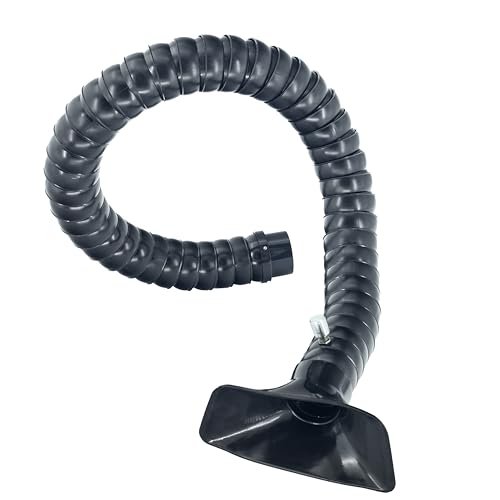
Brand: Bay Heights. Features include a 3ft flexible hose, 50mm outer diameter, detachable nozzle/hood with an adjustable valve to modulate airflow. Useful for localized extraction near laser engravers, soldering, welding, or other tasks generating fumes.
Snorkel — Laboratory Exhaust Vent

Brand: FSYD. Features include a long fume extractor line at 10 ft, a 14.7″ hood mouth, and 4.3″ pipe diameter with a 3″ regulating tube. Suitable for ceiling-mounted exhaust provisions and provides extended reach for localized fumes.
Broan-NuTone Non-Ducted 30″ Range Hood (Stainless)
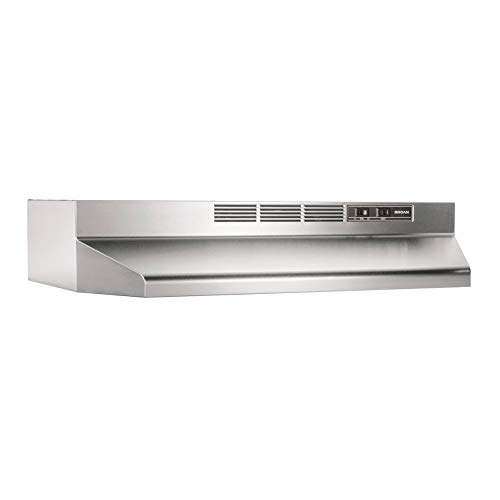
Brand: Broan-NuTone. Features include a non-ducted filtration system for odor removal, LED lighting support, and replaceable charcoal filter for ease of maintenance. Designed to improve air quality in spaces where ducting is impractical.
Broan-NuTone Non-Ducted 30″ Hood (White)
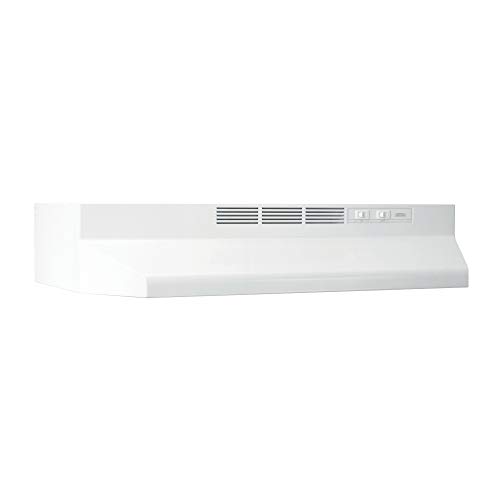
Brand: Broan-NuTone. Features include a non-ducted filtration system, LED lighting, and a replaceable charcoal filter. The unit is designed to improve kitchen ventilation and odor control, with guidance suggesting filter maintenance roughly every 6 months.
Buying Guide: Key Purchase Considerations
- Ventilation type: Ducted vs. non-ducted. Ducted units vent outdoors and often require external ductwork and a fan system, while non-ducted units rely on internal filters to remove contaminants. Choose based on lab layout, odor intensity, and safety requirements.
- Airflow and containment: Look for adequate opening width, exhaust collar size, and airflow ratings. Larger openings and higher exhaust capacity generally improve containment for heavier or more volatile fumes.
- Lighting and visibility: Integrated LED lighting enhances visual clarity during experiments. Ensure compatibility with existing electrical setups and bulb replacement schedules.
- Filters and maintenance: Ductless units depend on replaceable charcoal filters. Determine filter availability, replacement frequency, and maintenance costs.
- Installation space: Consider cabinet dimensions, bench height, and clearance for ductwork if selecting a ducted model. Some models require professional installation for proper sealing and exhaust routing.
- Noise and energy use: Check decibel ratings and power consumption to minimize disruption and operating costs in the lab.
- Compatibility with accessories: Availability of curtains, optional covers, and modular accessories can influence containment levels and procedural flexibility.
- Regulatory and safety considerations: Ensure the selected hood meets relevant safety standards for your chemical work, and align with institutional safety protocols.
When selecting a ductless option, prioritize units that maximize filtration efficiency and ease of maintenance. For spaces where external ducting is feasible, ducted hoods can offer robust containment for larger volumes of fumes. Review your lab’s chemical inventory, typical workflows, and space constraints to identify the best balance of performance, cost, and practicality.