Oil filtration and waste oil cleanup are essential for efficient engines, heaters, and industrial processes. This guide highlights top centrifuge-based options and related filtration products that help remove dirt, water, and contaminants from used oils and industrial fluids. Explore devices designed for waste oil cleaning, heavy-duty engine oil filtration, and reliable oil separators to protect equipment and improve fuel or oil quality.
Summary of chosen products:
- WVO Designs Waste Oil Centrifuge — cleans waste vegetable oils and other fluids up to 25 gallons/hour.
- Fleetguard CS41011 Centrifuge Assembly — replacement for several popular service rotors and gaskets.
- HPDMC Spin-On Oil Separator — direct replacement accessory for industrial rotary screw air compressors.
- 30Mpa High Pressure Air Filter External Water Oil Separator — high-efficiency oil and water separation for compressed air systems.
- Hengst Oil Filter — centrifuge-style filtration for engines, German engineered.
WVO Designs Waste Oil Centrifuge
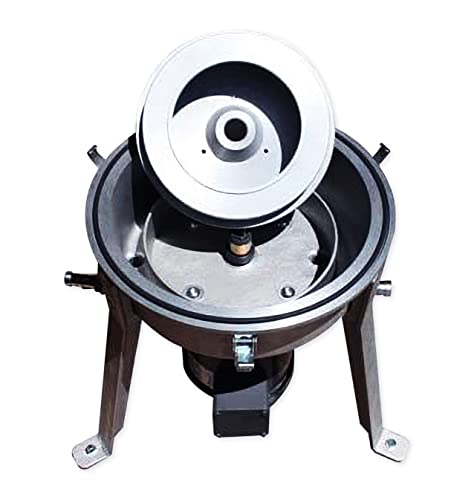
The WVO Designs Waste Oil Centrifuge cleans waste vegetable oils and other fluids for use in diesel engines or furnaces. Since 2008, these units have cleaned a variety of used oils, including motor oil and hydraulic fluids. This model emphasizes dirt and water removal, processing up to 25 gallons per hour to produce fuel-quality oil from waste sources. Designed for practical home setups and small workshops, it provides a robust option for users seeking efficient fluid purification without specialized lab gear.
Luber-finer LP8213 Heavy Duty Engine Oil Filter

While not a centrifuge itself, this heavy-duty engine oil filter relates to high-performance filtration systems. Luber-finer filters emphasize high dirt-holding capacity with micro-glass synthetic and cellulose media, offering protection in demanding engines. The design supports compatibility with broader oil-cleaning setups where centrifugal or alternative filtration stages are used downstream to enhance overall cleanliness and engine longevity.
Fleetguard CS41011 Centrifuge Assembly

The CS41011 Fleetguard Centrifuge Assembly replaces multiple popular units and is designed for use with CH41111 and CH41112 configurations. It includes a 2 gpm service rotor and gasket, enabling replacement in oil filtration lines that rely on centrifugal separation to remove particulates. This component helps maintain efficient filtration in larger systems or fleet maintenance applications where consistent oil cleanliness is critical for performance and reliability.
30Mpa High Pressure Air Filter External Water Oil Separator

This external separator targets compressed air systems, using aviation-grade aluminum to resist high pressure. It claims 90% oil and water separation efficiency and is reusable with no consumables. While oriented toward air systems, the device demonstrates cross-applicability for oil-water separation tasks in industrial environments where reliable separation improves downstream filtration processes and protects downstream equipment from oil carryover.
Hengst Oil Filter — Centrifuge

Hengst offers a German-engineered oil filter that integrates centrifuge principles for improved filtration efficiency. Engineered for compatibility with modern engines and high-demand situations, it emphasizes robust construction, high dirt-holding capacity, and resilience under pressure. This option supports operators seeking reliable filtration performance within a broader oil-cleaning system that includes centrifugal stages.
Buying Guide: Centrifuge Based Oil Filtration And Related Filtration Options
- Filtration goal: Identify whether you primarily need dirt removal, water separation, or both. Centrifuge-based units excel at separating both solids and water from oily fluids, often more effectively than simple depth filters in challenging waste oils.
- Throughput and flow rate: Match the device to your volume. Small home setups may handle 5–25 gallons per hour, while industrial environments may require higher capacities or modular configurations.
- Fluid compatibility: Confirm that the centrifuge or separator is compatible with your oil type (vegetable oil, motor oil, hydraulic fluids, or mixed waste oils) and with any additives or contaminants typical in your operation.
- Maintenance and consumables: Evaluate whether units require consumables, rotor maintenance, or gasket replacements. Reusable separators without consumables reduce ongoing costs but may demand more maintenance effort.
- System integration: Consider how the centrifuge or separator integrates with existing filtration stages (pre-filters, coalescers, or downstream polishing filters) to achieve the desired purity and protect engines or heaters.
- Reliability and build quality: Look for robust construction materials, especially for high-pressure or high-temperature environments. German-engineered components and reputable brands often signal durability and better long-term performance.
- Noise, footprint, and ease of use: For home or workshop use, compact designs and straightforward operation help ensure consistent use without requiring specialized training.
- Cost of ownership: Compare initial investment against service life, maintenance, and consumables. While centrifuge-equipped setups may have higher upfront costs, they can lower total cost of ownership through improved oil quality and longer equipment life.
- Support and compatibility: Check for available spare parts, replacement rotors or gaskets, and compatibility with your current filtration stack. A well-supported system reduces downtime when maintenance is needed.
- Safety considerations: Ensure proper handling of oily wastes, proper disposal of separated contaminants, and adherence to local environmental regulations when cleaning waste oils.
Overall, centrifuge-based oil filtration offers a robust approach for producing cleaner oils from used sources and enabling efficient, reliable operation of engines, furnaces, and industrial equipment. When selecting a solution, align product capabilities with your throughput needs, fluid types, and maintenance capacity to optimize performance and minimize downtime.