Choosing the right aluminum flashing and sheets can help protect roof edges, chimneys, skylights, and windows from water intrusion and weather damage. This guide highlights five top aluminum products and practical buying considerations for American homeowners and contractors.
Summary of selected products:
| Product | Brand | Approx. Width x Length | Thickness | Use Case |
|---|---|---|---|---|
| Vigorous 20in x 10ft Aluminum Flashing | Vigorous | 20 in x 10 ft | 0.2 mm | Roof flashing, sealing windows/doors |
| Therwen 40 Pcs 5 x 7 Inch Flashing Sheets | Therwen | 5 x 7 in per piece | Not stated per piece; aluminum | Weatherproofing around chimneys/ skylights |
| 4″ X 50′ Aluminum Flashing Roll | Agolctry | 4 in x 50 ft | 0.2 mm | General roofing, sealing edges |
| Therwen 1 Roll Aluminum Flashing (14″ x 10′) | Therwen | 14 in x 10 ft | 0.0078 in (0.2 mm) | Windows/doors, siding, roofing |
| Zonon 4″ x 100′ Aluminum Roll Flashing | Zonon | 4 in x 100 ft | Not stated | Weatherproofing and sealing around roofs |
Product Details And Practical Use
Vigorous 20in x 10ft Aluminum Flashing

The Vigorous flashing roll measures 20 inches wide and 10 feet long with a 0.2 mm thickness. It is designed to resist water penetration and maintain performance under temperature fluctuations. The material prioritizes durability, resisting breakage under typical loads and deformations, while remaining easy to install for DIY or professional projects.
Therwen 40 Pcs 5 x 7 Inch Flashing Sheets

This set includes 40 pieces of 5 x 7 inch aluminum flashing sheets. The sheets can be trimmed to the desired size, offering flexible coverage around chimneys, skylights, or other protrusions. Made from aluminum, the material is lightweight, corrosion resistant, and suitable for weatherproofing applications, though long-term exposure may darken the surface, which does not affect performance.
4″ X 50′ Aluminum Flashing Roll
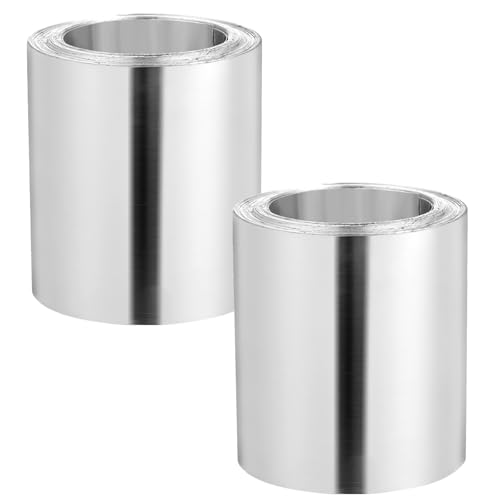
This rolling flashing measures 4 inches by 50 feet with about 0.2 mm thickness. It’s designed for a range of uses, including roofing edges, garden waterproofing, and siding. The aluminum provides rust and corrosion resistance, while its flexibility allows cutting to fit different configurations and ensuring weatherproof protection when installed properly.
Therwen 1 Roll Aluminum Flashing (14″ x 10′)

This Thermwen roll is 14 inches wide and 10 feet long, with a thickness of approximately 0.0078 inches (0.2 mm). It’s rust and corrosion resistant, lightweight, and easy to cut and install. The wide form factor supports quick coverage and sealing around windows, doors, siding, and roofing details.
Zonon 4″ x 100′ Aluminum Roll Flashing

This Zonon roll offers 4 inches in width and a lengthy 100 feet, designed for long runs along roofs, chimneys, and skylights. It provides weatherproof protection and is suitable for sealing and flashing around roof penetrations. Note that prolonged exposure to rain can darken the surface, but this does not diminish performance.
Buying Guide: Key Considerations For Aluminum Roof Flashing And Sheets
When selecting aluminum flashing or sheets, consider project scope, environmental exposure, and installation ease. The following perspectives help evaluate options objectively:
- Material grade and thickness: Thicker profiles (0.2 mm or similar) tend to offer greater durability and resistance to deformation under wind and load. Thinner options may be easier to cut but could bend more easily during installation or in severe weather.
- Width and length: Wider rolls reduce the number of seams along edges and corners, while longer lengths minimize joints. Choose dimensions that match the area to cover to reduce waste and installation time.
- Form factor: Sheets (pre-cut pieces) are practical for smaller details around chimneys and skylights; rolls are efficient for long run applications and edge flashing. A mix can address diverse roof features.
- Corrosion resistance and environment: Aluminum flashing offers good corrosion resistance, but exposure to rain, humidity, and pollution can darken surfaces over time. Surface changes do not necessarily compromise performance, but regular inspection helps.
- Ease of installation: Straightforward options that can be cut with tin snips and secured with nails, screws, or sealant are ideal for DIY projects. Lighter weight improves handling but may require careful securing in windy regions.
- Compatibility with roof types: Confirm compatibility with metal roofing panels, shingles, or siding you are flashing. Some products are optimized for sealing edges and around penetrations, while others emphasize weatherproofing broader roof sections.
- Maintenance and replacement: Aluminum flashing may shed color or darken when exposed to moisture for extended periods. Plan for periodic inspection and replacement of aging sections to preserve waterproofing.
- Cost and availability: Availability of various widths and lengths, plus batch consistency, influence long-term project budgeting. Consider keeping spare flashing material for future repairs.
In summary, for broad exposure areas on American roofs, a combination of wide rolls for long runs and smaller sheets for corners and penetrations often delivers the best balance of durability, ease of installation, and long-term performance. Always follow manufacturer installation guidelines and local building codes for best results.