When selecting a 48 inch hydraulic cylinder, performance hinges on bore size, stroke length, and construction style. This guide focuses on durable, cross-tube and tie-rod designs that deliver reliable force and long service life in demanding applications. Below are five top options that balance pressure ratings, stroke reach, and build quality to help you choose the right unit for your equipment.
| Brand | Model | Bore | Stroke | |
|---|---|---|---|---|
| WEN | TR3048 2500 PSI Tie Rod Hydraulic Cylinder | 3 in | 48 in | 2500 |
| Magister Hydraulics | Double Acting 2″ Bore 48″ Stroke (2×48) | 2 in | 48 in | 3500 |
| Magister Hydraulics | Double Acting 2.5″ Bore 48″ Stroke (2.5×48) | 2.5 in | 48 in | 3500 |
| CWA Hydraulics | TR Tie Rod 3.5″ Bore x 48″ Stroke | 3.5 in | 48 in | 2500 |
| CWA Hydraulics | TR Tie Rod 2.5″ Bore x 48″ Stroke | 2.5 in | 48 in | 2500 |
WEN TR3048 48-Inch Tie Rod Cylinder
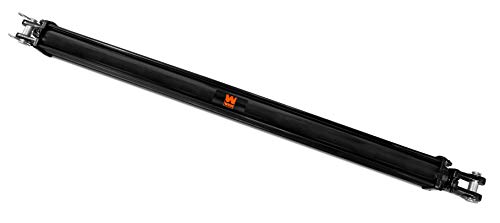
The WEN TR3048 model uses a double-acting steel-welded design with a 3-inch bore, 48-inch stroke, and a 1.5-inch rod diameter. It operates up to 2500 PSI and includes a 1/2-inch NPT port suitable for standard hydraulic hoses. This combination suits lifting and pushing tasks in compact to mid-sized machinery where a robust tie-rod cylinder is preferred for long service life and easier porting. Consider this option when your system requires reliable performance in a common 2500 PSI range.
Magister Hydraulics 2″ Bore, 48″ Stroke

This Magister Hydraulics unit is a welded, double-acting cross-tube cylinder rated for 3500 PSI with a 2″ bore and a 48″ stroke. It lists a 2.38″ outer diameter and a 1.25″ rod diameter with a retract/extend range that accommodates heavy-duty operations. Its specification highlights emphasize a strong load-bearing capacity (up to thousands of pounds in extended and retracted states) and compatibility with SAE 6 ports. Ideal for agricultural or industrial setups needing a sturdy, longer stroke with higher pressure tolerance.
Magister Hydraulics 2.5″ Bore, 48″ Stroke
This 2.5″ bore cross-tube Magister unit offers a 48″ stroke with a 1.5″ rod diameter and a 3500 PSI rating. It is manufactured as a welded cylinder and supports a high load capacity (extending up to 5700 pounds). Ports use SAE 8 (O-ring boss), aligning with common hydraulic hose fittings. The product is designed for applications requiring additional rigidity and higher maximum pressure while maintaining a standard 48″ stroke for deep linear travel.
CWA Hydraulics 3.5″ Bore, 48″ Stroke

The CWA Hydraulics 3.5″ bore tie rod model delivers a 48″ stroke and 2500 PSI rating with a retract length around 58.25 inches. It uses SAE 8 and a 1/2 NPT port configuration to accommodate standard hydraulic hoses. This option targets applications that require a larger bore for increased force along a standard 48″ rod travel, suitable for pressing, clamping, or lifting duties where a robust, threaded rod cylinder is beneficial for mounting flexibility and alignment stability.
CWA Hydraulics 2.5″ Bore, 48″ Stroke
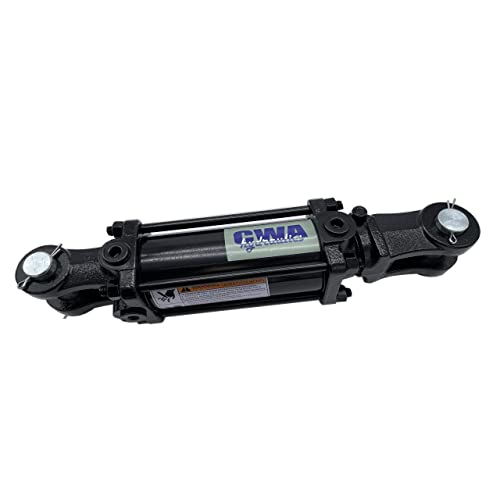
This 2.5″ bore CWA tie rod cylinder provides a 48″ stroke and 2500 PSI rating, featuring SAE 8 port connections and a 1/4 or 3/8 NPT option. Retraction around 58.25 inches and retracted length around 58.25 inches accommodate longer reach in tight spaces. It is designed for dependable operation in industrial or workshop environments where precise alignment and consistent performance are essential.
Magister Hydraulics 2″ Bore, 40″ Stroke
While this Magister model features a shorter 40″ stroke, its 2″ bore with welded construction and a 3500 PSI rating makes it a compelling reference for users comparing cross-tube configurations with longer-stroke options. It demonstrates how bore size and stroke length interact to determine load capacity and travel in a given setup. Prospective buyers should weigh whether a 40″ stroke better fits their equipment dimensions or if a 48″ stroke is required for full travel in practical use.
Buying Guide
- Understanding bore size versus stroke length: Larger bores generate more force, while longer strokes provide more travel. Choose based on required load and available space.
- Port type and compatibility: SAE ports and NPT threads (e.g., SAE 6/8 and 1/2 NPT) must match your hydraulic hose fittings and connectors.
- Construction style: Tie rod cylinders tend to be easier to service and align; cross-tube cylinders offer robust mounting for high-load applications.
- Pressure rating: Higher PSI ratings (e.g., 3500 PSI) support heavier loads but may require more robust systems and hoses rated for higher pressure.
- Mounting and stroke considerations: Confirm retracted and extended lengths to ensure fit within your equipment housing and travel range.
- Warranty and manufacturer support: Opt for units from manufacturers that offer clear documentation and support for maintenance and part replacement.
- Application fit: Agricultural, industrial, and repair applications have distinct demands; verify that the cylinder’s diameter and rod size align with mounting points and load paths.
- Availability of spare parts: Check for seals, rods, and mounting hardware to minimize downtime during maintenance.
When assessing 48-inch hydraulic cylinders, focus on the combination of bore, stroke, and port configuration to match your system’s pressure source and hose fittings. The five options listed here provide a spectrum of common configurations—tie rod versus cross-tube designs, 2″ to 3.5″ bores, and 40″ to 48″ strokes—to help you identify a reliable choice for demanding lifting or actuating tasks.